
Leila Moreno
Editor
Sep 7, 2026
Warning: Major spoilers ahead for the entire first season of Lucky.
On the surface, Apple TV+’s Lucky operates as a slick, high-octane crime thriller. Yet beneath the cryptocurrency heists and cartel crosshairs lies one of television’s most sophisticated studies in method dressing: Anya Taylor-Joy’s wardrobe is not mere styling—it is her primary weapon of survival.
Across seven kinetic episodes, Luciana “Lucky” Armstrong treats her body as a living canvas of reinvention. Camouflage takes many forms: an oversized hoodie that swallows her silhouette into total anonymity; a borrowed satin bomber dissolving her into a crowded casino floor; thrifted donation-bin basics crafting the persona of a harmless suburban babysitter; and a bias-cut ivory slip dress transmuting a hunted fugitive into a seamless Malibu socialite.
These garments do far more than conceal.
They decode Lucky’s psychological blueprint. Schooled from childhood by her magnetic con-artist father, John, Lucky learned that reinvention equals armor. By intuiting what the room desires to see—and sculpting herself into that fantasy—she maneuvers undetected through lethal spaces.
Yet the finale delivers a devastating subversion. After a gauntlet of calculated cons, bloodied slip dresses, and disposable personas, Lucky uncovers the essential truth of her life on the run: the phantom she must ultimately escape is not law enforcement, but the chameleonic identity her father forced her to inhabit.
“Lucky doesn’t simply change clothes. She changes the story other people tell themselves about her.”
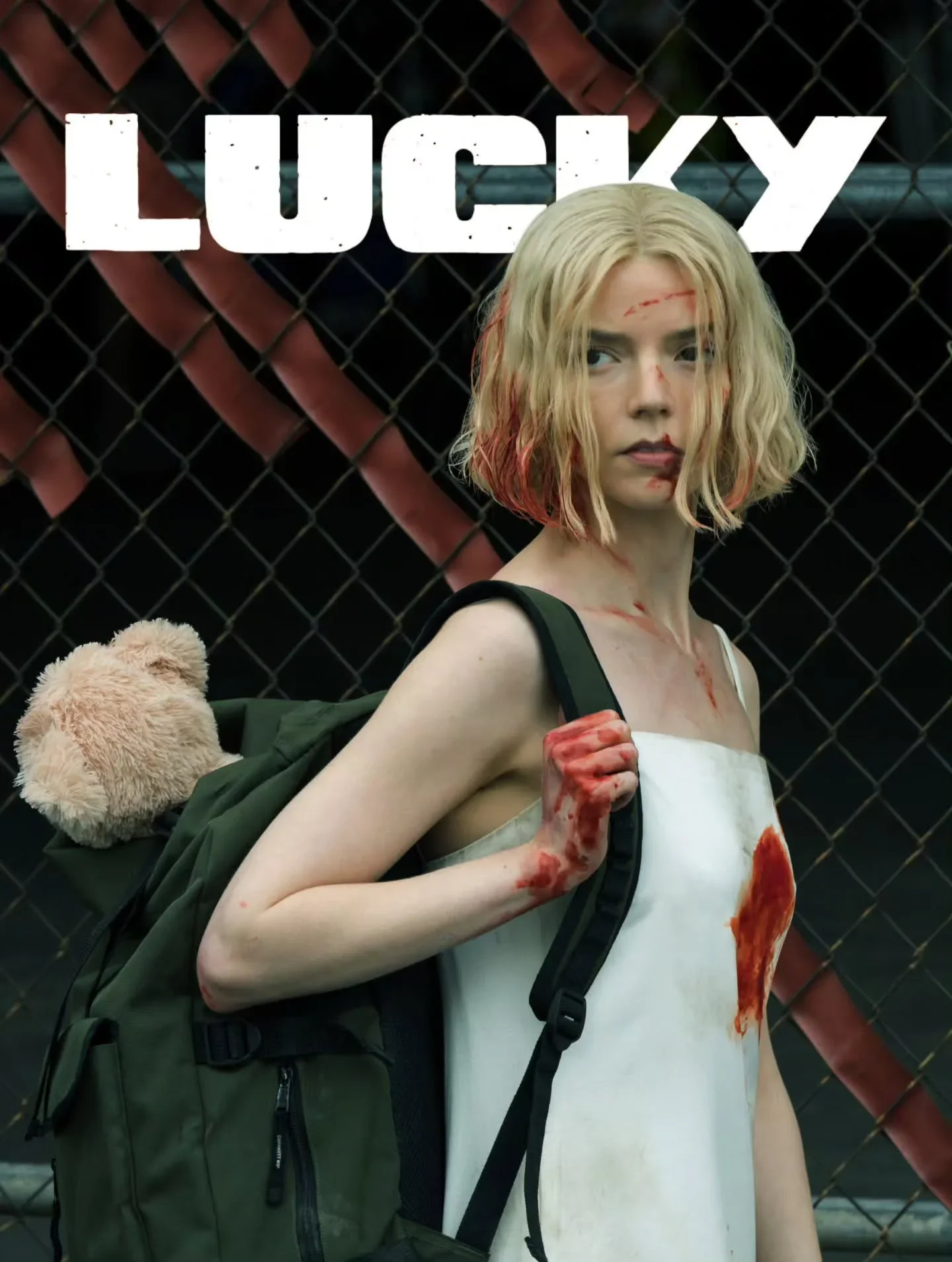
The Secret Behind Lucky’s Disguises
From its opening frames, Lucky employs costume as a psychological barometer—tracking who Lucky is against who she is forced to become.
In sunlit flashbacks with Cary, her wardrobe exudes a carefree, undone spirit. Costume designer Christine Wada leaned into an authentic Y2K festival-grunge moodboard, recalling Kate Moss’s effortless Glastonbury nonchalance: fluid slip hems, distressed leathers, and slouchy layers. These silhouettes define a woman holding fast to the fantasy of an unencumbered domestic life.
Then the Las Vegas heist implodes.
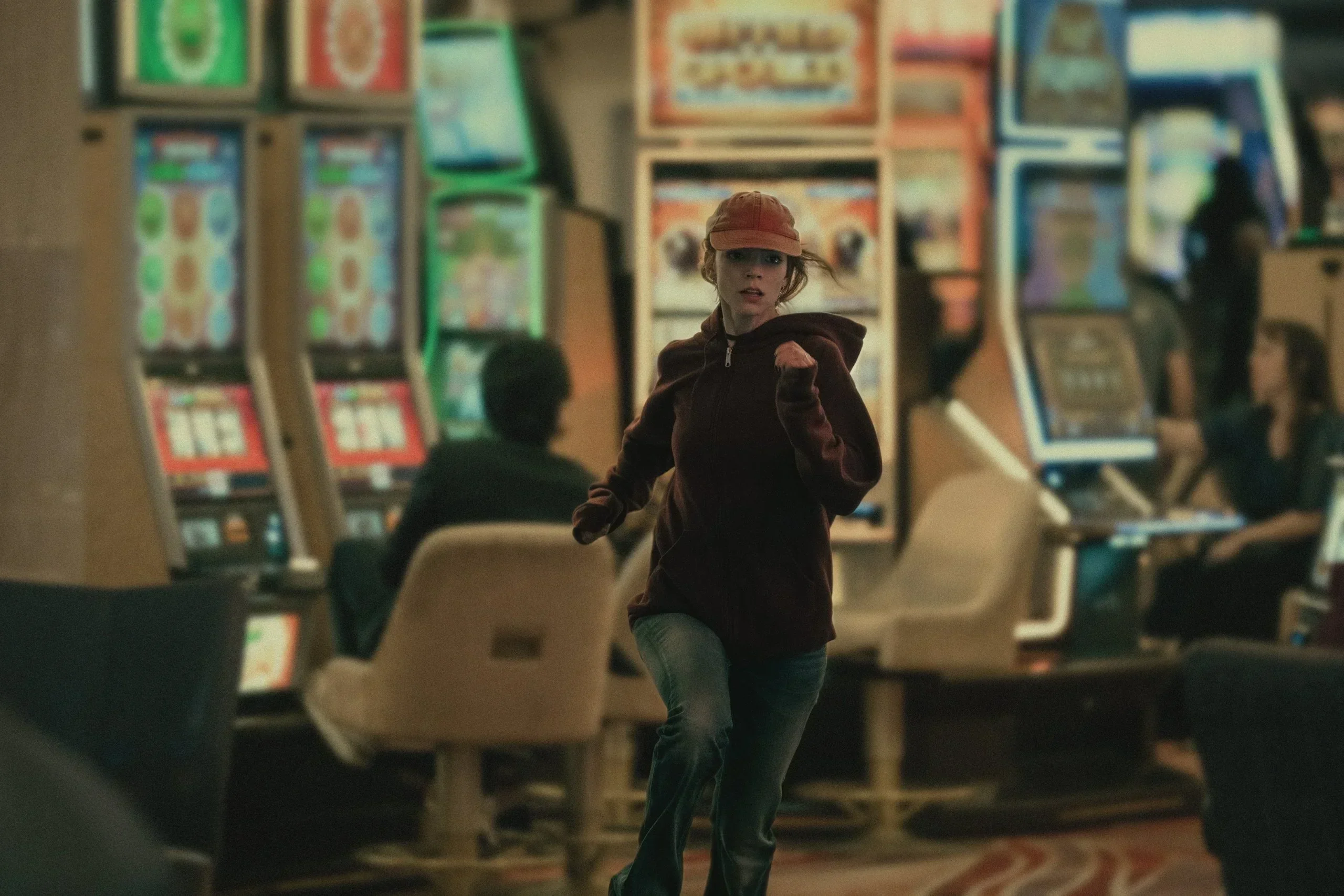
In Episode 1, “No Shortcuts”, self-expression immediately gives way to tactical camouflage. Lucky borrows Cary’s oversized maroon hoodie; she commandeers a casino employee’s emerald satin bomber; she scrambles through donation bins for unassuming suburban cottons. Each improvised outfit acts as tactical misdirection. By pairing relaxed dark denim with a weathered Adams trucker cap, Lucky controls her silhouette—and with it, how the world perceives her innocence.
The Malibu Transformation
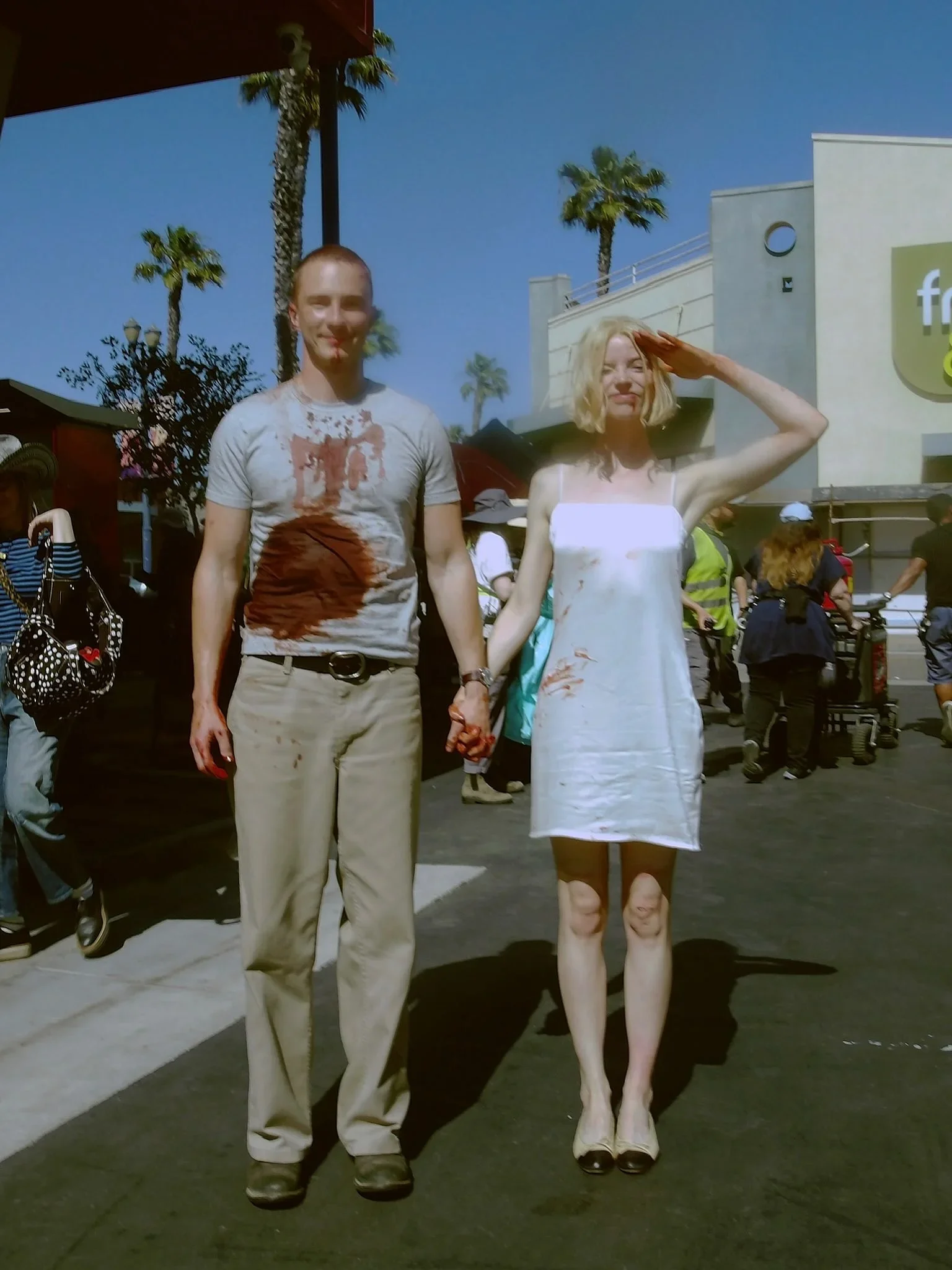
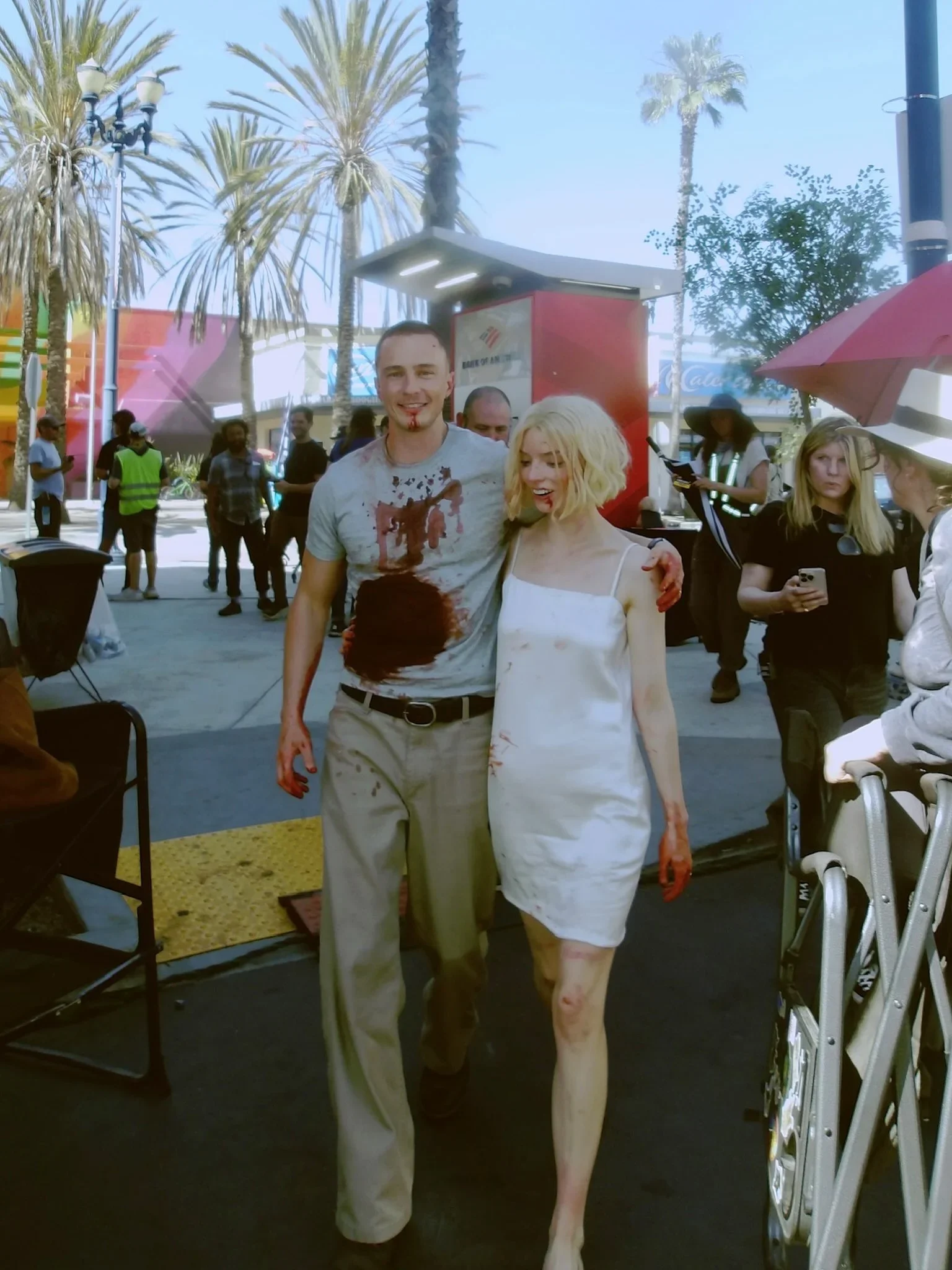
The series’ masterclass in subversive elegance arrives in Episode 4, “Too Close to See”, when Lucky infiltrates a sun-drenched Malibu beach celebration.
Fleeing through the upper suites, she pillages the hostess’s wardrobe, reemerging in an ivory silk-charmeuse mini slip, an asymmetrical wrap skirt, and pristine white Fendi strappy sandals. In seconds, the frantic fugitive dissolves into an effortless high-society insider.
The transformation is theatrical yet deceptively natural. Rather than hiding behind bulky layers, Lucky weaponizes sheer lightness. The body becomes a canvas of calculated vulnerability: the fluid, body-skimming drape projects an aura of demure wealth that instantly disarms her pursuers.
Grounded by classic Chanel cap-toe ballerina flats, Wada’s styling plays on the tension between boudoir purity and impending violence—turning bridal innocence into an elite disguise before chaos shatters the veneer.
When Lucky Starts Dressing for Herself
By Episode 5, “Are We Bad People”, the sartorial dynamic pivots from performative deceit to raw emotional armor.
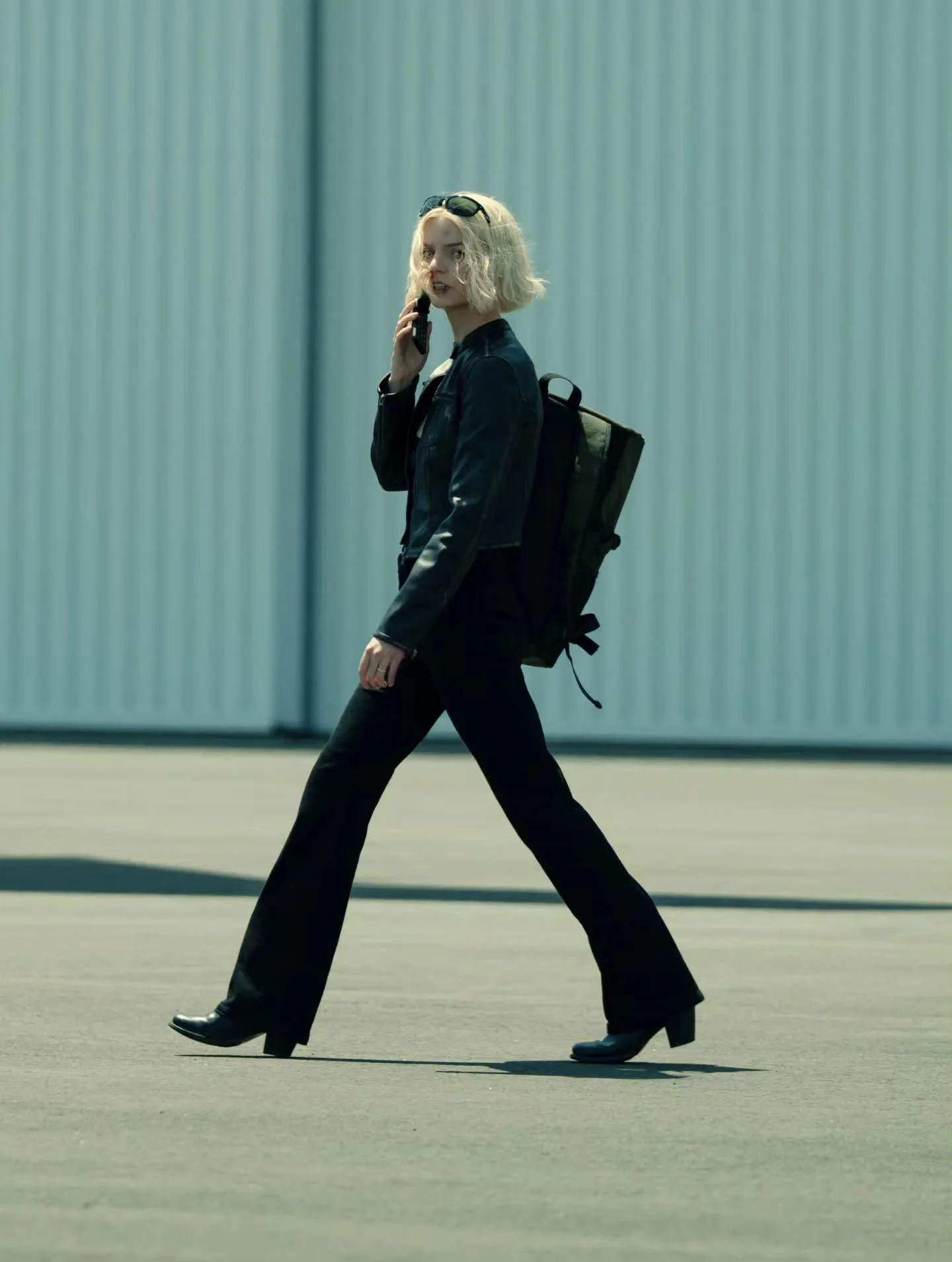
In the wake of Cary’s death and the revelation of the $10 million cryptocurrency bounty, Lucky abandons high-society masquerades for rugged utilitarianism: a distressed black Diesel moto jacket, low-slung Nili Lotan straight-leg denim, and scuffed vintage Fiorentini + Baker engineer boots. The silhouette reconnects directly with the tactile grunge of her early years.
Crucially, this marks the first time Lucky dresses without an audience in mind. She is no longer performing innocence or wealth; she is equipping herself to endure. The heavy leather and road-worn denim become functional armor—grounding Luciana in physical reality as the net tightens around her.
Steering away from the fragility of silk, Wada uses structured leathers and archival textures to signal internal steel—marking Lucky’s transition from reactive fugitive to proactive tactician.
From Screen to Red Carpet: Method Dressing as Sartorial Storytelling
The dialogue between costume and identity extended far beyond the soundstage. Throughout the global promotional tour for Lucky, Anya Taylor-Joy and longtime stylist Ryan Hastings translated the thriller’s visual tensions into high-fashion reality—channeling Lucky’s duality of intimate vulnerability and untouchable poise into razor-sharp method dressing.
London Photocall: Subversive Boudoir Minimalism
At the London photocall atop Raffles London at The OWO, Taylor-Joy embraced an intentional study in modern boudoir dressing from Haider Ackermann’s inaugural collection for Tom Ford. The body serves as an intentional canvas: delicate baby-blue silk-wool anchors an intricately cut bodice of sheer nappa leather mesh and scalloped lace. Rather than treating transparency as mere exposure, Hastings transforms sheer textiles and visible lingerie lines into sculptural, graphic architecture.
Anchored by minimalist patent Giuseppe Zanotti stiletto sandals and graphic Tiffany & Co. Knot jewelry in white gold and diamonds, the look establishes a tactile dialogue between sheer boudoir fragility and tailored discipline.
Los Angeles World Premiere: Sculptural Velvet Historicism
For the world premiere in Los Angeles, Hastings executed a brilliant counterpoint to London’s fugitive minimalism. Taylor-Joy emerged in custom butter-yellow velvet from Dior’s Resort 2027 collection, engineered with an architectural, strapless neckline and column drape that evoked golden-age cinema royalty.
Punctuated by an intense 4-carat yellow diamond ring and Jean Schlumberger’s archival Bird on a Rock bangle from Tiffany & Co., the appearance demonstrated Taylor-Joy’s chameleonic virtuosity—pivoting effortlessly from subversive downtown transparency to regal screen queen in a matter of days.
Sartorial Foil: Dressing for Power vs. Dressing to Disappear
The thematic depth of Wada’s costume design crystallizes in the visual contrast between Lucky and criminal matriarch Priscilla Masterson.
Priscilla, portrayed with icy authority by Annette Bening, deploys tailoring as an impenetrable fortress. Her wardrobe is sculptural, immaculate, and commanding—defined by razor-sharp shoulders and authoritative palettes engineered to assert dominion over a brutal underworld.
Lucky operates on the inverse frequency. Where Priscilla constructs presence, Lucky curates absence. Priscilla dresses to command power; Lucky dresses to elude it. This sartorial duel underscores the series’ emotional climax, where the ultimate victory belongs not to who wields the heaviest armor, but to who masters the liberating art of shedding it entirely.
The Climax Decoded: The Lucky Finale Explained
The seventh episode, “All Good Things,” delivers an explosive resolution to Luciana’s high-stakes labyrinth. Yet beneath the warehouse shootouts and cartel betrayals lies an intimate, psychological reckoning: can Lucky dismantle the false identities her father spent a lifetime engineering?
What Happened to the $10 Million?
The stolen $10 million in cryptocurrency is both Lucky’s curse and her leverage. With access secured by an exclusive seed phrase, Lucky becomes the ultimate prize in a multi-front standoff involving John, cartel kingpin Wayne Whittaker, Priscilla Masterson, enforcer Dutch, and the FBI.
When Bureau mole Kershaw’s alliance with Wayne triggers an all-out bloodbath, Priscilla executes Wayne, and Agent Billie Rand eliminates Kershaw. Lucky emerges from the carnage intact, holding sole command over the fortune. Yet she executes the most radical swerve of the series.
Lucky’s Final Con
Allowing John to believe he has finally secured the jackpot, Lucky hands over a dummy access code while quietly routing the authentic cryptographic seed phrase directly to Agent Rand.
Relinquishing the fortune is Lucky’s true masterstroke. The money never represented simple wealth—it was drenched in the memory of Cary, the greed of Wayne, and the toxic control of John. By giving it away, she severs the strings that bound her to a generational criminal syndicate.
Why She Walks Away
Why would a fugitive who spent seven episodes dodging bullets for $10 million surrender it without hesitation? Because Lucky finally understands that wealth earned within her father’s ecosystem is merely another gilded cage. Taking the money means running forever under a rotating wardrobe of borrowed personas. Walking away means she can finally stop running.
As showrunner Cassie Pappas noted, the finale represents an essential emotional cord-cutting: Lucky doesn’t conquer the game by winning the pot—she wins by leaving the table entirely.
Escaping the Ghost of John
John taught Luciana that affection and manipulation could coexist seamlessly. To escape his orbit, she doesn’t need to defeat him with violence; she turns his own discipline of theatrical misdirection against him. Deceiving him over the crypto seed phrase permanently breaks the cycle of manipulation.
Barefoot at the Shoreline: The Power of No Disguise
The final frames of Lucky strip away every layer of sartorial artifice: barefoot, makeup-free, and unadorned, Luciana walks toward the Pacific Ocean.
Throughout the series, Lucky is in frantic, perpetual motion—changing silhouettes, bleaching hair, swapping identities. The ocean’s edge marks the first moment she is simply still. There are no stolen designer sandals, no utilitarian leather shields, and no high-stakes masquerades.
For the woman who spent her life transforming into what the room demanded, the absence of disguise becomes her ultimate luxury: she is, at last, purely herself.
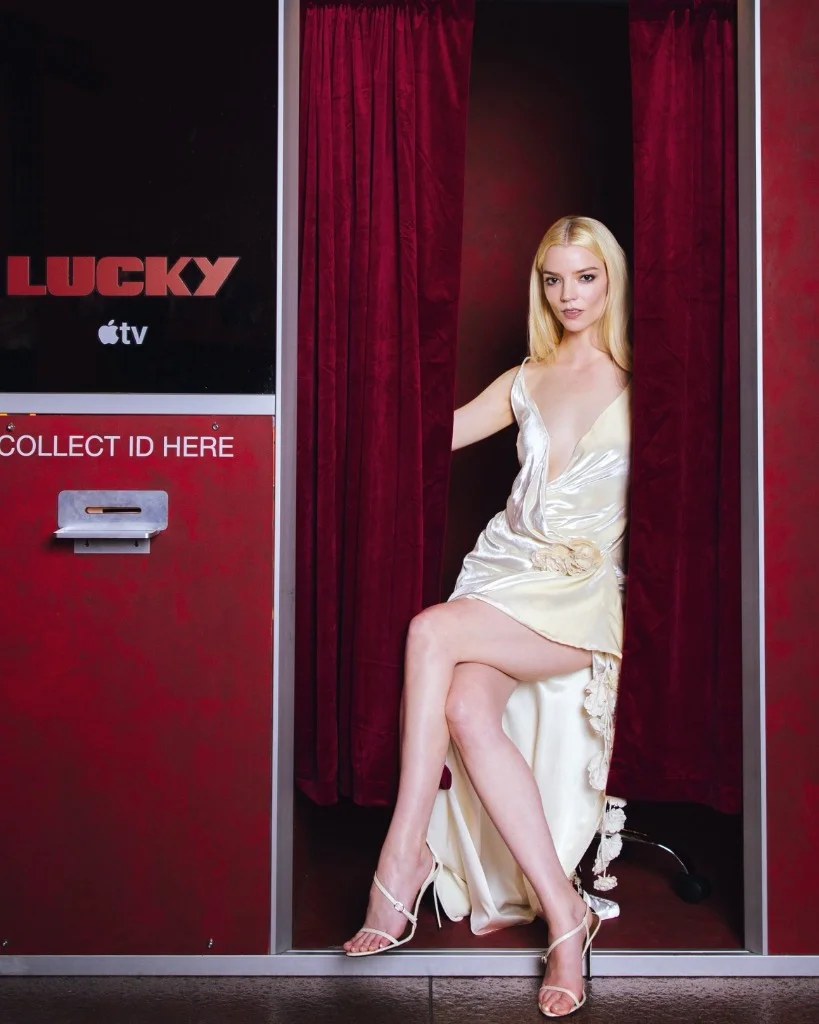
Page to Screen: Key Deviations from the Bestseller
While Apple TV+ draws its narrative framework from Marissa Stapley’s bestselling 2021 novel, showrunner Jonathan Tropper and co-creator Cassie Pappas streamlined and sharpened the story for maximum cinematic punch.
Stapley herself endorsed the reimagining, framing the book and the series as emotional companion pieces rather than a verbatim replication.
1. The Lottery Ticket Replaced by Digital Millions
In the novel, Lucky’s central dilemma involves a winning multi-million-dollar lottery ticket she cannot cash without triggering an immediate federal dragnet, alongside a prolonged search for her estranged mother. The adaptation strips away the lottery motif, replacing it with a high-stakes cryptocurrency heist and $10 million in illicit digital assets to tighten the suspense around John’s criminal syndicate.
2. Cary’s Darker, Tragic Trajectory
The television series dramatically raises the emotional stakes around Cary. In the show, Cary’s untimely demise serves as the psychological fulcrum of Lucky’s journey—shattering her illusions of domestic normalcy and irrevocably redefining her attachment to the money.
3. Father-Daughter Dynamics at the Center
By centering the emotional architecture entirely on John and Lucky’s toxic paternal bond, the screen adaptation transforms the heist into an intimate tragedy. The resolution shifts from a simple getaway story into a profound break from inherited manipulation.
The Future: Will There Be a Lucky Season 2?
Billed as a limited series with Episode 7 explicitly labeled the series finale, Lucky was conceived to deliver definitive closure. With Luciana having severed ties with John, abandoned the cryptocurrency, and walked away from the underworld, a conventional sequel risks undermining her hard-won peace.
The Literary Continuation
For readers yearning for another chapter, Stapley has announced a direct novel sequel, tentatively titled No Such Thing as Lucky, slated for 2027. The upcoming installment plunges Lucky back into the high-stakes game of survival and reinvention. While Apple TV+ has not announced a second season, Lucky’s literary universe is far from over.
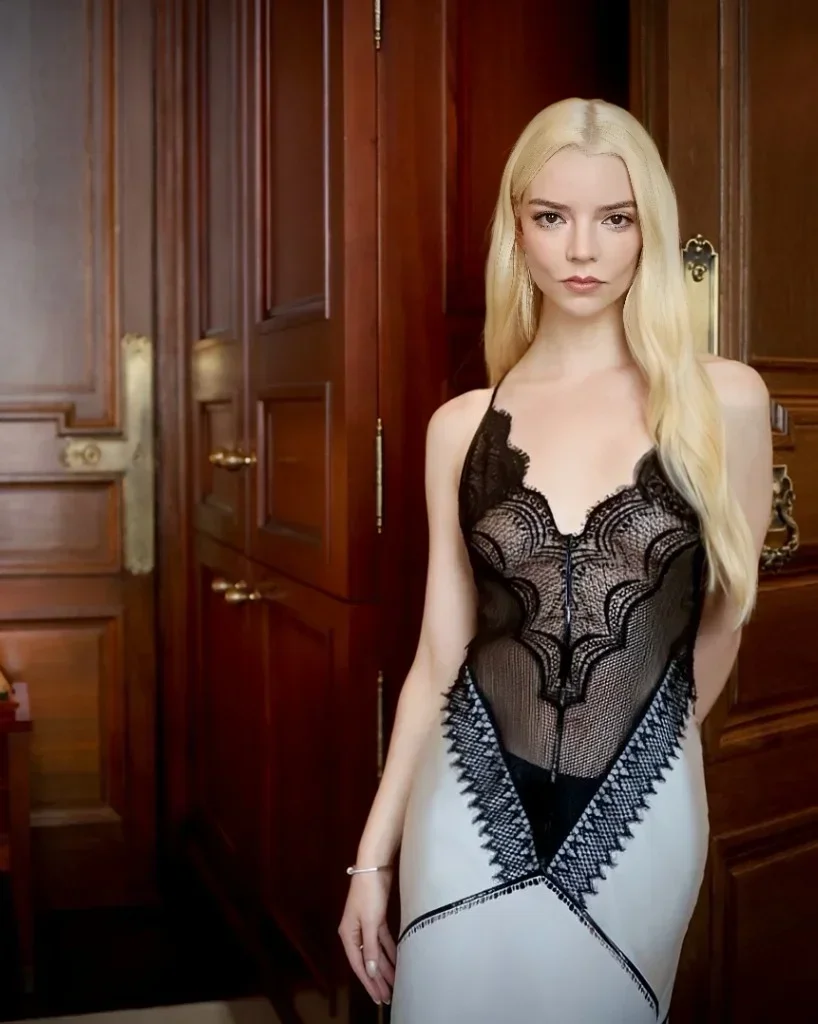
The Real Meaning of Lucky: The Art of Shedding Armor
Lucky opens with a woman convinced that survival requires becoming someone else. It concludes with that same woman understanding that survival is hollow without self-possession.
Every silhouette in the series documents that awakening. From the deceptive fragility of fluid slip dresses to the utilitarian shield of distressed leather, Lucky’s wardrobe proves how effortlessly the body can become a canvas of reinvention. Yet transparency, when reclaimed on one’s own terms, ceases to be mere exposure—it transforms into intentional, sculptural agency.
The final shoreline scene delivers the series’ definitive fashion takeaway: the ultimate luxury is presence without pretense. Lucky doesn’t vanish into another manufactured persona with $10 million in hand. Instead, she walks away from the game entirely.
Stripped of stolen labels, false identities, and the weight of generational expectation, she steps into the tide barefoot and unadorned. For the first time in her life, the disguise is gone—and she is finally, unapologetically Lucky.
Have a look you’d like to see featured on GlamCoCo?
Celebrities, stylists, artists, and brands can submit looks directly to our editorial team for consideration.
Featured Celebrities





Related Looks
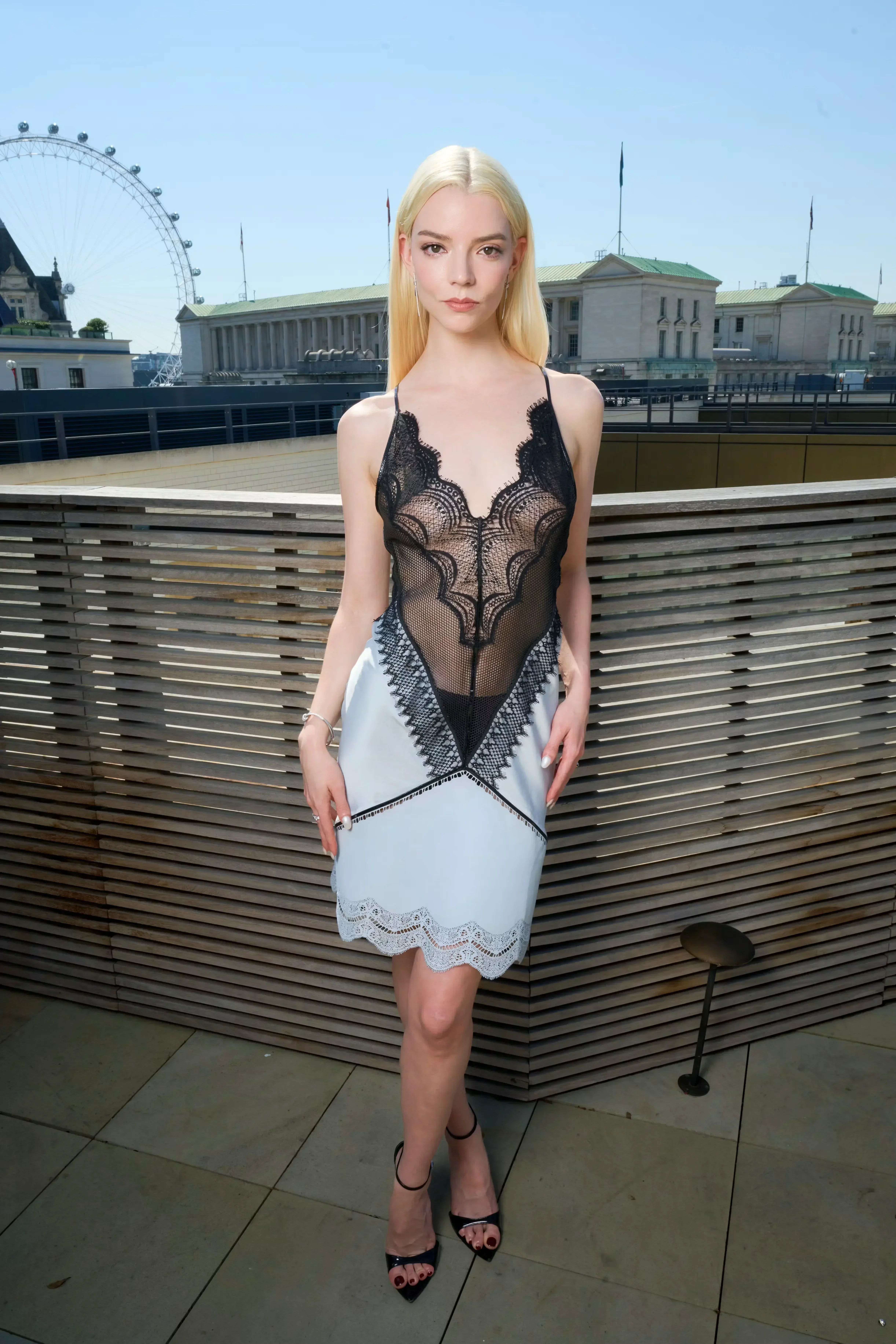
Anya Taylor-Joy Elevates Lingerie Dressing in Tom Ford at the Lucky London Photocall

Anya Taylor-Joy Goes Rugged in Utilitarian Survival Wear in Lucky Episode 5, “Are We Bad People?”

Anya Taylor-Joy Wears a White Slip Dress in Lucky Episode 4, “Too Close to See”
Anya Taylor-Joy Weaponizes Anti-Fashion Disguise in Lucky Episode 1, “No Shortcuts”

Anya Taylor-Joy Stuns in a Champagne-Hued Wiederhoeft Mini Dress at the Lucky Los Angeles After Party

Anya Taylor-Joy Embraces Old-World Cinematic Glamour in Butter-Yellow Dior for the Premiere of Lucky
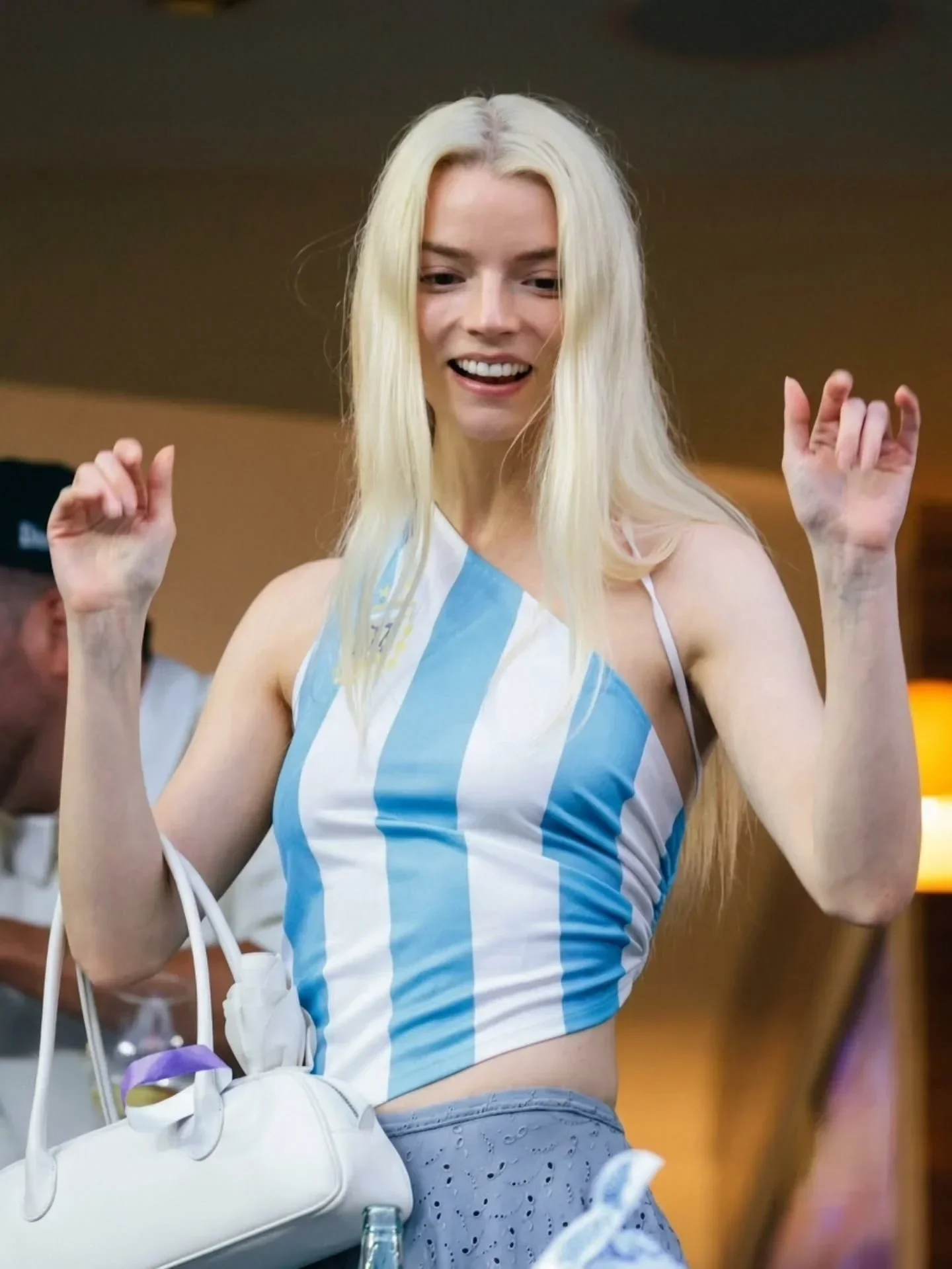
Anya Taylor-Joy Elevates Argentina Football Style at the 2026 FIFA World Cup

Anya Taylor-Joy in Dior at the Dior Cruise 2027 Show
Related Stories

Anne Hathaway Enters Her Darkest Chapter Yet in the Twisted Psychological Thriller Verity

Beyond the Veil: Decoding the Fashion Psychology of Euphoria’s Season 3 Wedding

Every Anne Hathaway Look From The Devil Wears Prada 2 Press Tour and Premieres

Something Old, Something Blue: Decoding Zendaya’s 'The Drama' Method Dressing
Inside the 2026 VMAs: The Most Memorable Moments From Music’s Wildest Night
Taylor Swift’s Director Era: Inside the Music Videos She Wrote and Directed
Taylor Swift Makes HISTORY With Most Ever Wins at MTV VMAs
