

Leila Moreno
Editor
Mar 10, 2026
When the lights came up at the Dior Fall/Winter 2026 show, the first thing audiences noticed wasn’t the clothes—it was the atmosphere. A greenhouse-like structure had materialized inside the Jardin des Tuileries, transforming the historic park into what Jonathan Anderson described as a “pleasure garden.” The set recreated fragments of Parisian leisure culture: the Bassin Octogonal pond dotted with faux water lilies, tree-lined promenades, and rows of the park’s iconic green chairs.
For a moment, the runway felt less like a fashion show and more like a theatrical environment—a staged ecosystem where dressing up becomes a form of performance. Anderson’s framing was simple but resonant: fashion, at its best, exists in the space between seeing and being seen. And for a generation navigating constant algorithmic noise, that idea suddenly feels radical.
The Dior Fantasy Machine
At its core, the show reframed the mission of Dior for a new cultural moment. Gen Z is living inside a relentless digital loop—trend cycles measured in hours, aesthetics flattened into TikTok templates, and beauty filtered through algorithmic perfection. In that environment, Anderson’s vision of Dior feels almost rebellious. He isn’t presenting luxury as status; he’s presenting it as escape.

Anderson often describes Dior not simply as a fashion house, but as a “national symbol of making.” In other words, a place where craftsmanship becomes visible again—where garments take thousands of hours to construct and beauty unfolds slowly, physically, and deliberately.
“In a world dominated by digital images, that emphasis on tactile creation carries surprising emotional weight. It’s fashion as a counter-algorithm.”
The Return of the Peplum
The silhouette story of the season begins with the peplum—specifically the iconic Bar jacket, one of the defining elements of Christian Dior’s original New Look. Anderson’s reinterpretation felt playful rather than reverential.
Flouncy peplum jackets were layered over micro-miniskirts, their sculptural waists exaggerated into something flirtier, lighter, almost cartoonishly buoyant. The effect echoed the “flower woman” silhouette of Dior’s 1947 debut but filtered through Gen Z’s appetite for irony and exaggeration.

Elsewhere, oversized checked wool suiting collided with satin-lapel dinner jackets worn casually with baggy denim—a styling move that quietly dissolved traditional boundaries between formalwear and streetwear. The result felt intentionally contradictory: heritage tailoring paired with the relaxed codes of youth culture.
Water Lilies and Radical Volume
Throughout the collection, nature appeared not as literal reference but as visual rhythm. Water lily motifs surfaced in unexpected places—from sculptural footwear to prints that rippled across skirts and coats. Ruffles and tiered constructions mimicked botanical forms, while billowing silhouettes expanded into tulip-like volumes that seemed to open and close with movement.

These shapes were dramatic, yet strangely wearable. Anderson scaled down couture-level experimentation into proportions that felt alive on the body rather than museum-bound. It’s a subtle but significant shift in luxury design: spectacle designed for real life.

The Gender Play Beneath the Surface
If the set suggested a Parisian pleasure garden, the intellectual backbone of the collection leaned elsewhere. Anderson drew inspiration from The Well of Loneliness by Radclyffe Hall, the controversial queer romance set in interwar Paris. Layered alongside references to Charles Baudelaire, the show explored themes of romantic longing, identity, and ambiguity.
That narrative translated directly into the clothes. Masculine tailoring softened into fluid lines. Feminine silhouettes adopted sharper edges. Dinner jackets floated above baggy jeans, while traditionally structured pieces carried unexpected looseness. Rather than presenting gender as binary, Anderson treated it as atmosphere—something shifting, expressive, and deliberately unresolved.
Fashion for the Post–Quiet Luxury Era
For the past several years, fashion has been dominated by what trend forecasters call “quiet luxury.” Minimalism, neutral palettes, discreet branding. But Gen Z is beginning to rebel against that restraint. The emerging aesthetic language looks very different: whimsical, narrative-driven, slightly chaotic.
“Gen Z doesn’t just buy clothes anymore. They buy lore.”
Instead of polished minimalism, the Dior runway offered storytelling silhouettes—clothes that feel expressive, theatrical, and emotionally charged. Anderson’s collection lands squarely inside that shift, offering imagination over speed.
Dior as Laboratory
Perhaps the most interesting element of Anderson’s Dior vision is his refusal to treat the house as a fixed formula. He describes Dior as a laboratory—a place where the past becomes raw material rather than constraint.
Heritage codes remain present: the Bar jacket, couture craftsmanship, romantic silhouettes. But those elements are constantly being recombined, stretched, and sometimes destabilized. It’s less about preserving Dior as a monument and more about keeping it alive.
The Gen Z Reset
Ultimately, Dior Fall/Winter 2026 wasn’t just a runway show. It was a recalibration. By transforming the Tuileries into a theatrical pleasure garden and blending couture craftsmanship with playful irreverence, Jonathan Anderson proposed a new direction for luxury fashion—one where romance, experimentation, and storytelling coexist.
For Gen Z, a generation navigating overstimulation and algorithm fatigue, that vision carries unexpected clarity. Because sometimes the most radical thing fashion can offer isn’t speed or novelty. It’s imagination.
Have a look you’d like to see featured on GlamCoCo?
Celebrities, stylists, artists, and brands can submit looks directly to our editorial team for consideration.
Related Artists

Related Brands

Related Looks

Anya Taylor-Joy in Peach-Pink Silk at Dior Autumn/Winter 2026
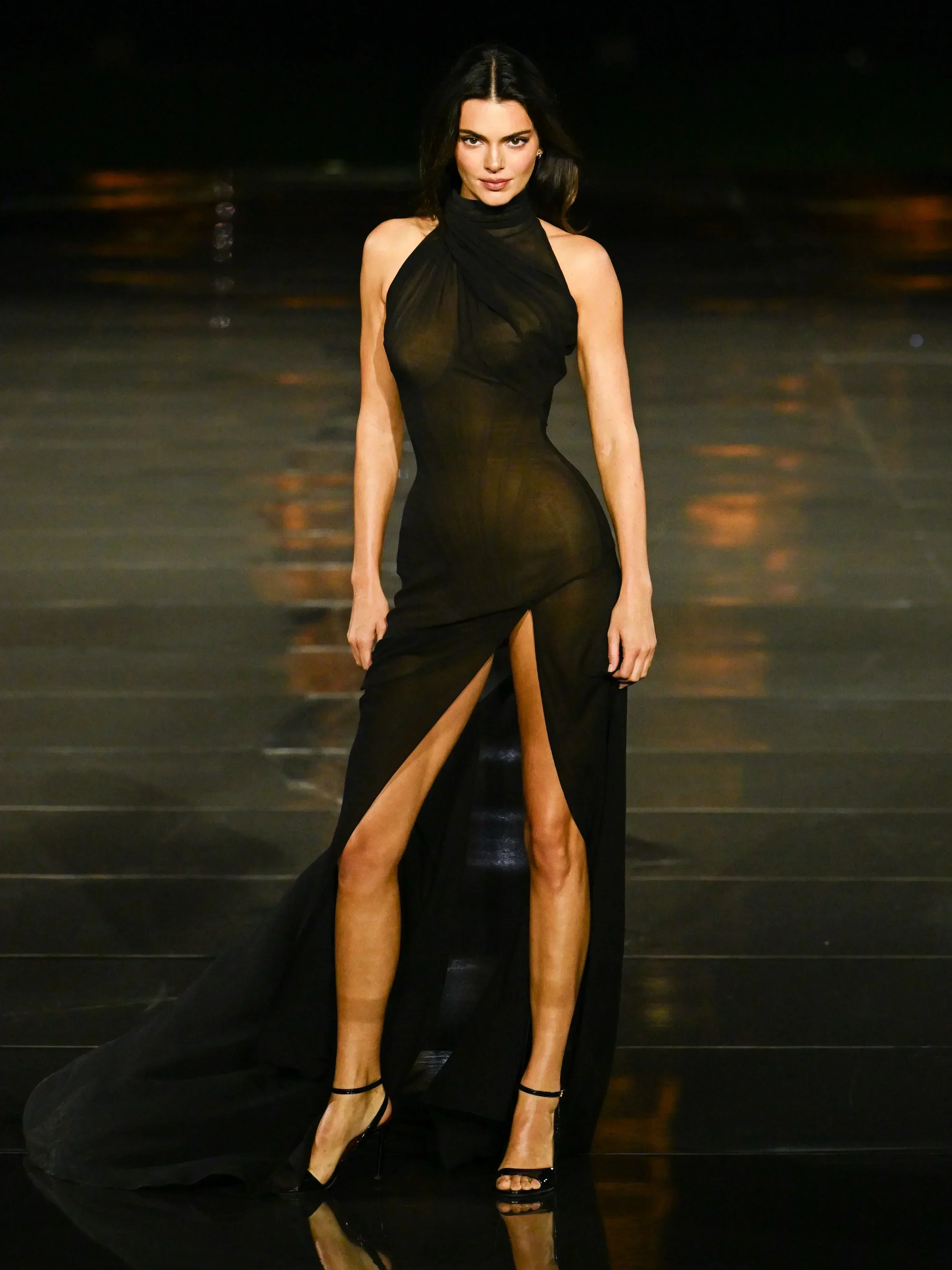
Kendall Jenner Opens L’Oréal Paris 2026 in a Custom Mugler Sheer Dress
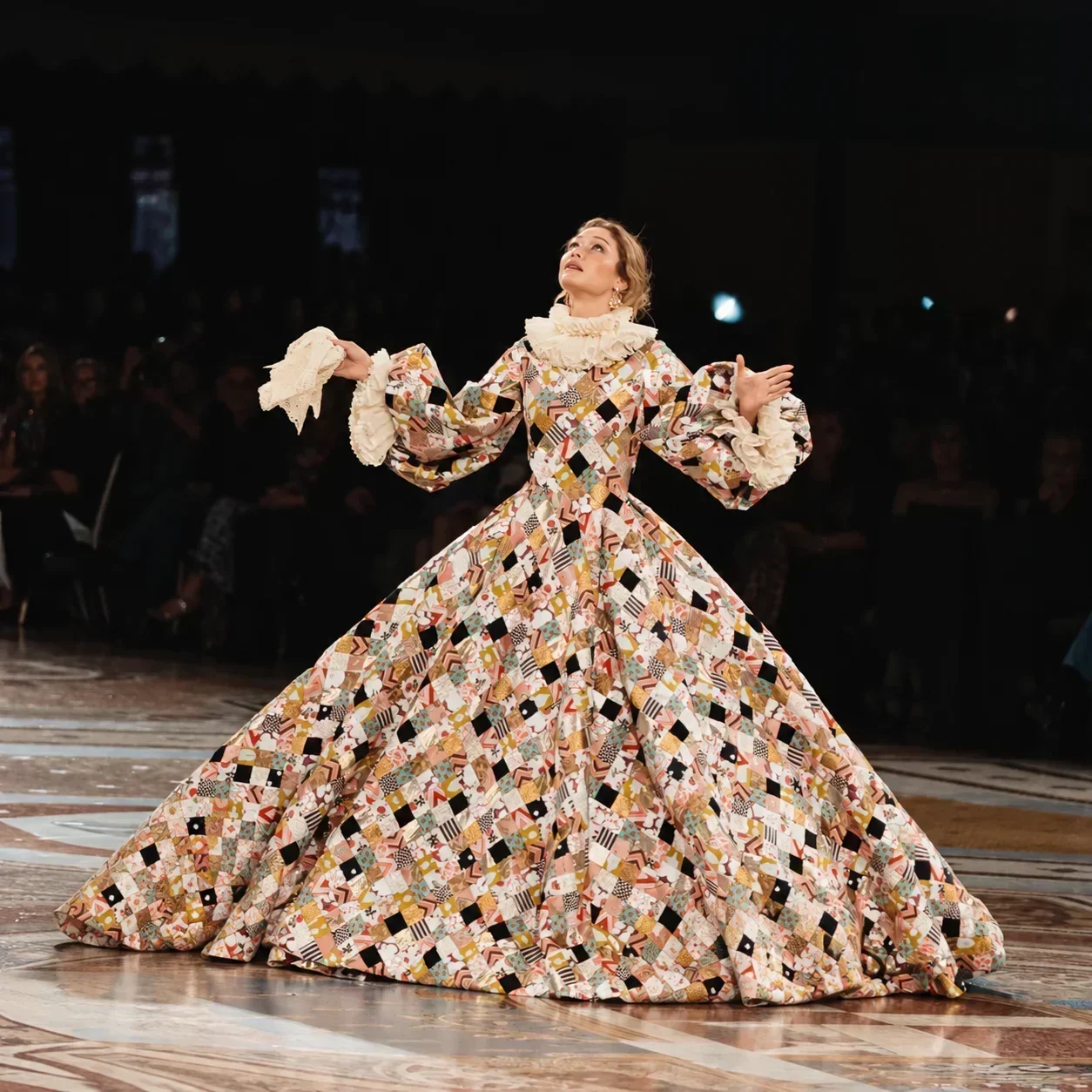
Gigi Hadid Opens Vogue World: Milan in a 1,680-Hour Valentino Tribute to Human Craftsmanship

Zendaya in Louis Vuitton: The Contemporary Bridal Look

Anya Taylor-Joy in Custom Dior at the Louvre During Paris Fashion Week

Barbara Palvin Announces Pregnancy in Custom Miu Miu at Cannes Film Festival
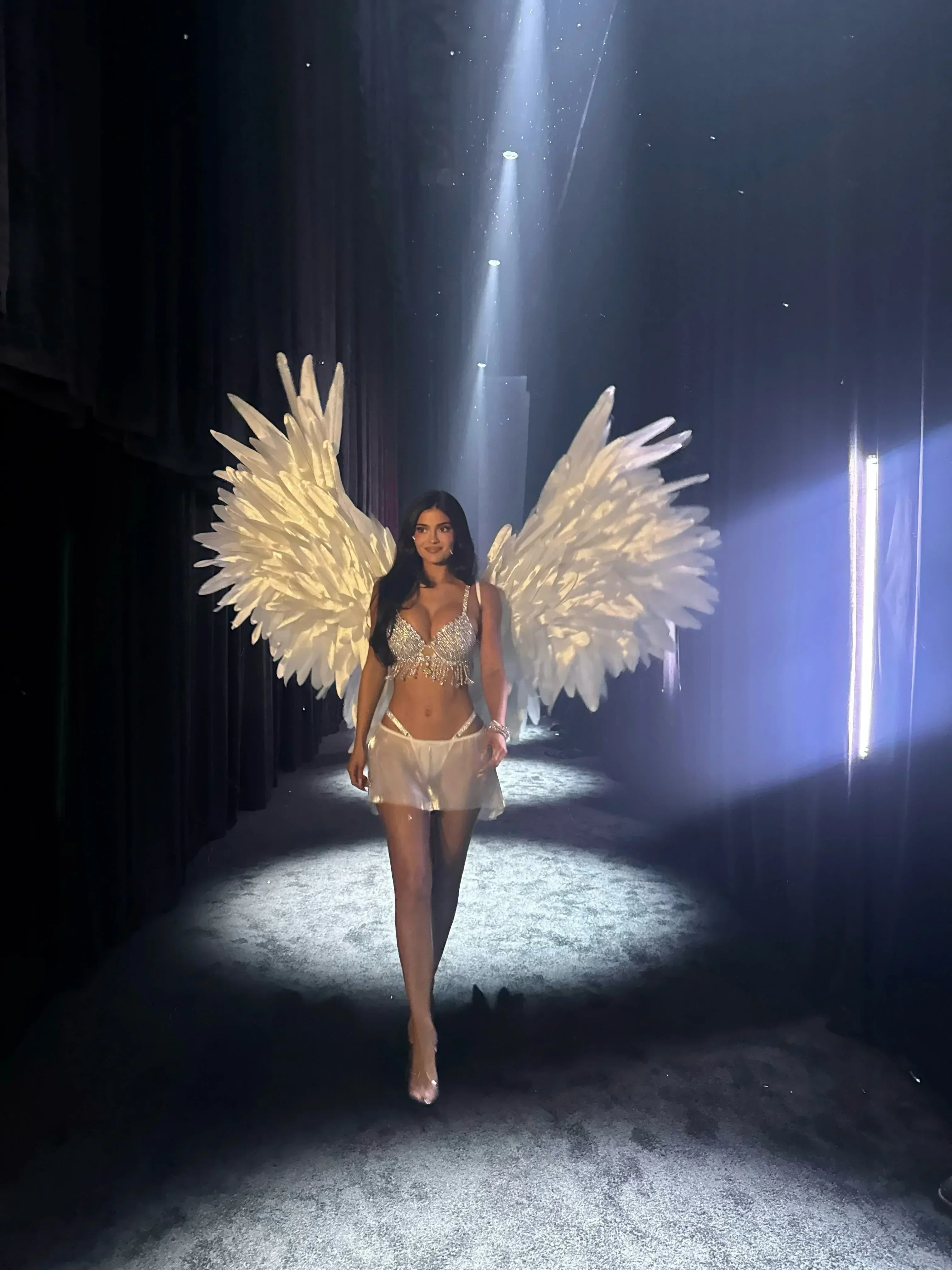
Kylie Jenner Stuns in Jacob & Co.’s $50 Million Fantasy Bra at the 2026 Victoria’s Secret Fashion Show

Barbara Palvin's Voluminous Black Willy Chavarria Gown at Cannes 2026
Related Stories
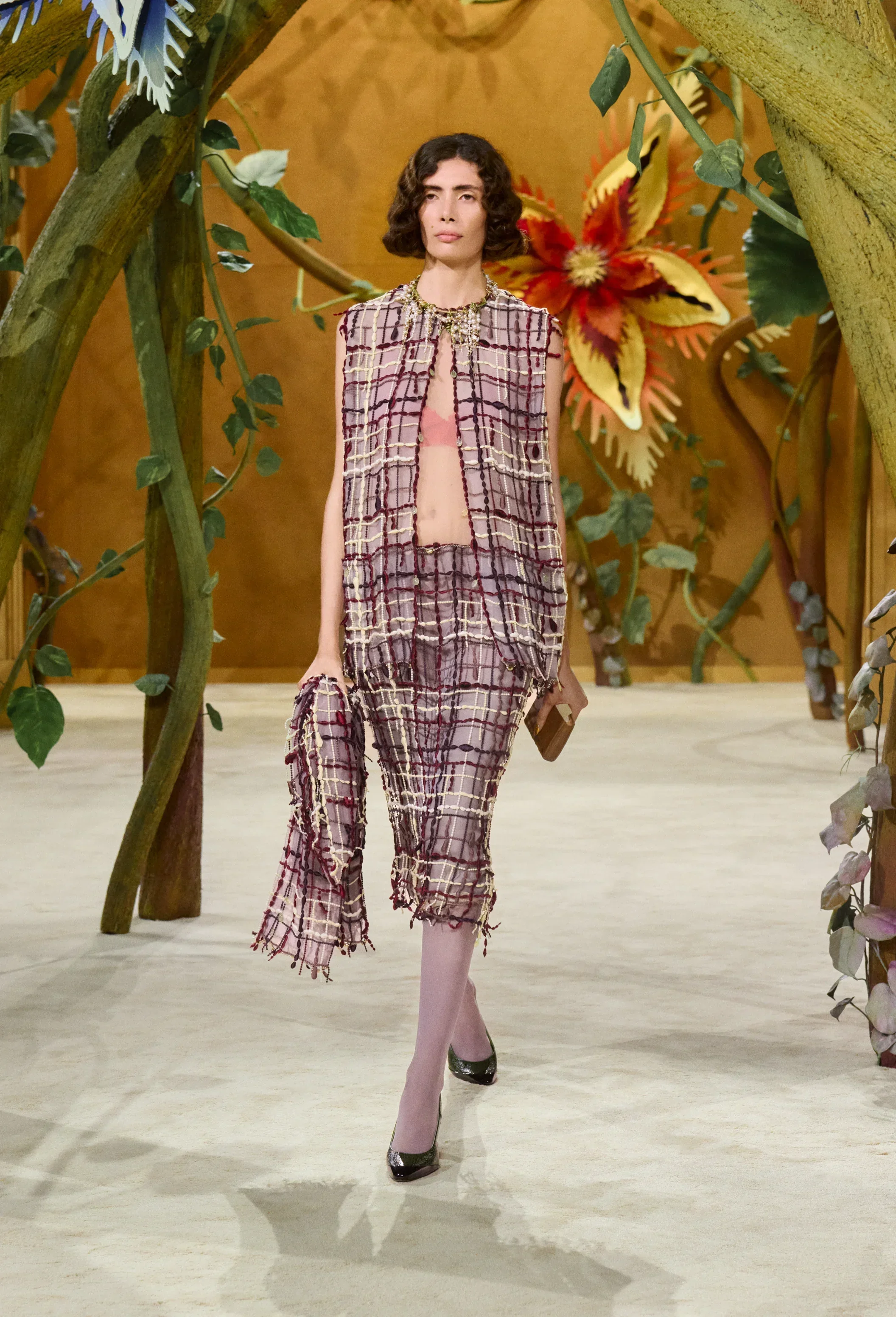
Inside the Chanel Fall/Winter 2026 Haute Couture Show: Matthieu Blazy Turns a Fairy Tale Into Fashion

See All the Looks of Dior Cruise 2027: Jonathan Anderson's Cinematic Love Letter to Hollywood

What We Can Learn From Barbara Palvin's Cannes Maternity Style

Ariana Grande: All Her Record-Breaking Milestones & The Eternal Sunshine Tour Guide

Sabrina Carpenter’s Coachella 2026 Performance Proves She’s Entered Her Main Pop Girl Era

How to Recreate Selena Gomez's Timeless Bridal Old Hollywood Glamour

Songwriting Was the Easiest Thing She Ever Did: Taylor Swift’s Emotional Hall of Fame Moment That Reminds Us Why Her Story Endures
