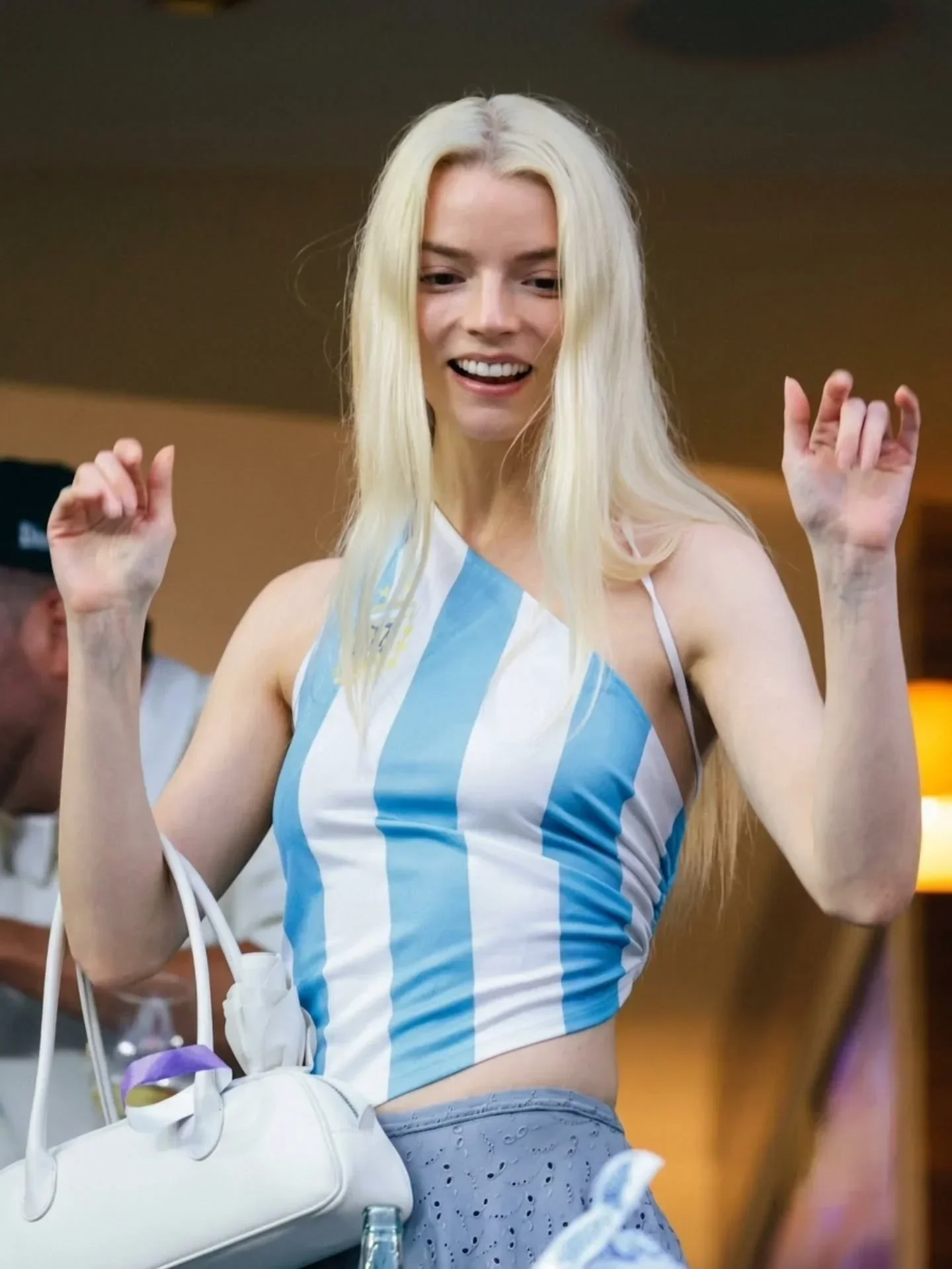
Anya Taylor-Joy in Custom Dior at the Louvre During Paris Fashion Week

Leila Moreno
Fashion Editor
Mar 2, 2026
At the Louvre—one of the few stages on earth that can genuinely compete with the woman standing in front of it—Anya Taylor-Joy made the case for a very specific kind of glamour: one rooted in architecture, restraint, and deliberate historicism. Dressed in a custom look from Dior for Paris Fashion Week 2026—and brought together by stylist Ryan Hastings, hairstylist Gregory Russell, and makeup artist Georgie Eisdell—the actress arrived not merely dressed, but composed. The choice of venue was its own signal: the Louvre is not a place for noise. It demands the visual language of permanence, and Taylor-Joy delivered accordingly.
The piece in question was a champagne-toned satin midi dress that moved like what you might call “liquid moonlight”—a fabric finish that read differently under every light source in the museum’s gilded halls. The silhouette was unmistakably informed by Christian Dior’s founding “New Look” grammar: a structured, articulated bodice; a full, tea-length skirt with the weighted drape that only properly cut satin achieves; and a soft V-neckline that balanced the architectural precision of the bodice with a note of romantic ease. The bow-adorned shoulder straps—delicate, deliberately sweet—functioned as the look’s defining accent, a signature Dior flourish that traced a direct line back to the house’s couture vocabulary circa 1950.
This was not the Dior of provocation—it was the Dior of conviction. Where some interpretations of the New Look read as costume, Taylor-Joy’s wearing of this silhouette felt like an argument: that romanticism is a form of precision, and full skirts are a structural choice, not a soft one. She complemented the dress with Dior’s bow-heeled slingback sandals—a considered echo of the bow motif anchoring the straps—and kept every other accessory stripped back, allowing the architecture of the dress to hold the frame entirely.
Key Fashion Takeaways
- 1950s Revival: The look channels Christian Dior’s founding “New Look” codex directly—glossy champagne satin, a full skirt, and a tea-length cut that reads as both archival and acutely modern. The silhouette signals a broader cultural recalibration toward romantic formalism and away from the maximalist excess of recent seasons.
- Signature Details: The delicate bows anchoring the shoulder straps are doing real structural work here, not decorative. They introduce a deliberate note of femininity that frames the bodice without softening it—sweet and precise in equal measure.
- Classic Beauty: Taylor-Joy’s beauty direction keeps the reading unambiguous: a sleek blonde side-parted coif, bold brows that define the face’s geometry, and a distinct red lip that cuts through the champagne palette with editorial sharpness. It is a beauty formula that belongs to the era the dress references, rendered with modern clarity.
- Minimalist Styling: The decision to edit accessories down to near-zero is the look’s sharpest move. By stripping back everything peripheral, the attention lands fully on the craftsmanship of the dress itself—a vote of confidence in the garment that very few pieces can sustain.
The venue added its own layer of meaning. Taylor-Joy was candid about the weight of the moment, describing fashion week as typically “so chock-a-block that it’s difficult to find museum time,” and noting that Dior shows consistently leave her “with a really beautiful memory.” That sensibility—the prioritization of a sensory, aesthetic experience over the industrial pace of the fashion calendar—is precisely what this look communicates. It is a deliberate pause. An outfit that asks you to look, then look again.
For Dior, the outing reads as a quiet thesis statement on the enduring relevance of the house’s founding silhouette. For Taylor-Joy, it is another data point in an increasingly coherent fashion identity: an actress who reaches toward couture history not as pastiche, but as a sincere visual language for who she is becoming.
Have a look you’d like to see featured on GlamCoCo?
Celebrities, stylists, artists, and brands can submit looks directly to our editorial team for consideration.
Similar Looks

Jennifer Lawrence Looked Even More Doll-Like Than Usual at the 2024 Oscars
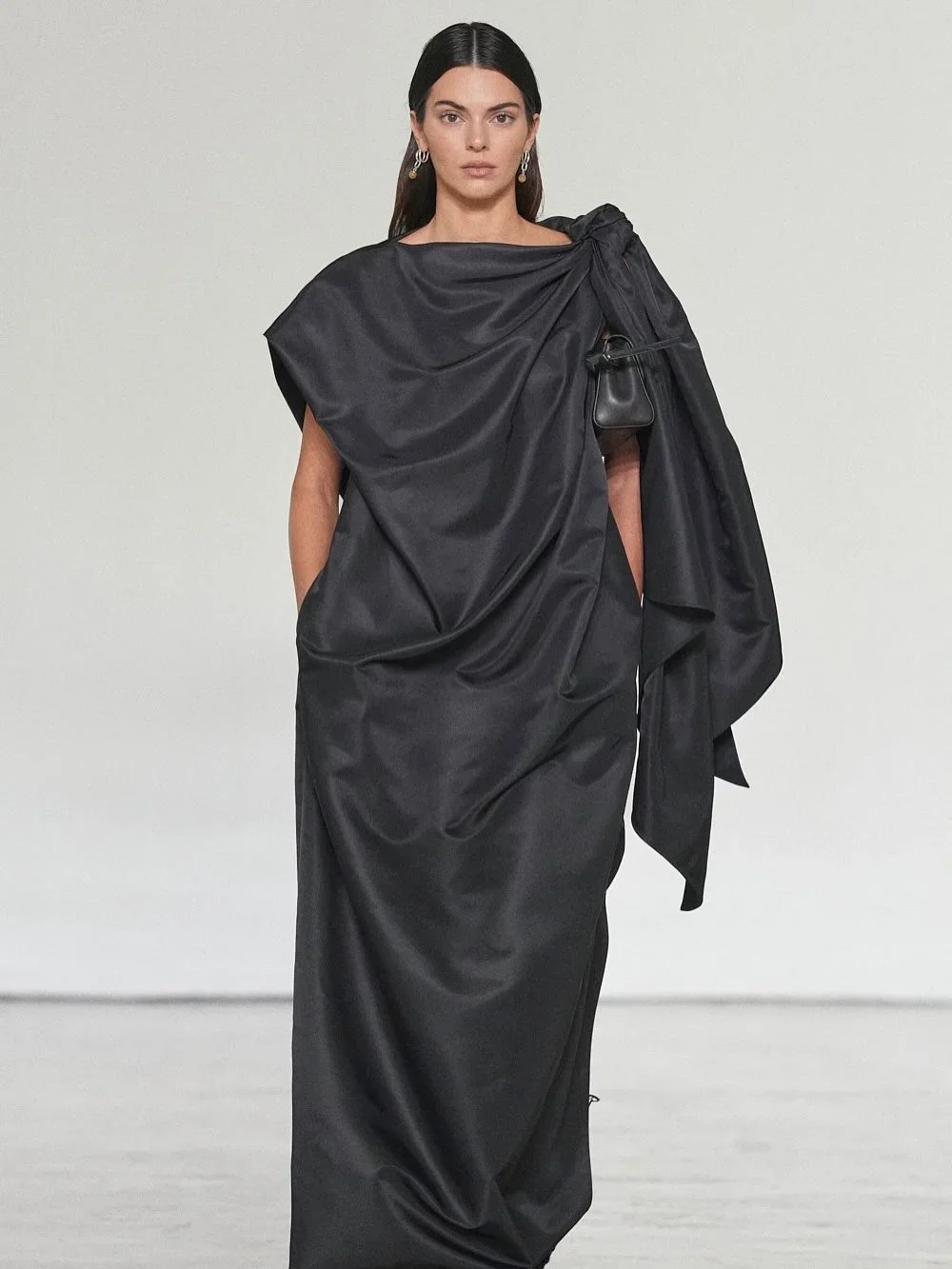
Kendall Jenner Closes Bottega Veneta Spring 2027 in a Sculptural Black Draped Gown
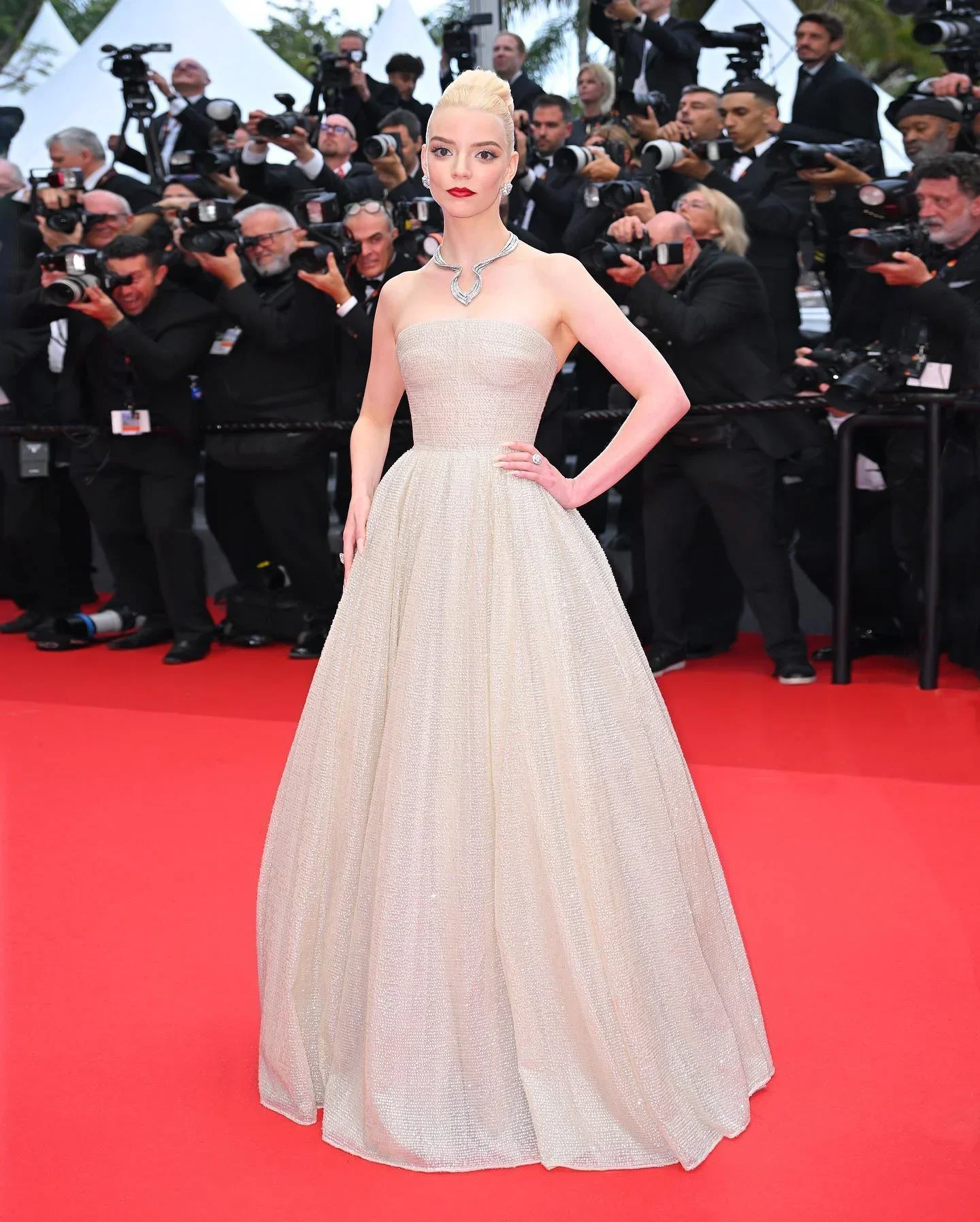
Anya Taylor-Joy Channels Old Hollywood Glamour in Custom Dior at Cannes

Inside Jessie Buckley's Oscars 2026 Glam: A Study in Modern Old Hollywood

Sabrina Carpenter in Custom Dior at the 2026 Met Gala

Selena Gomez in Custom Oscar de la Renta at Taylor Swift's Wedding Rehearsal
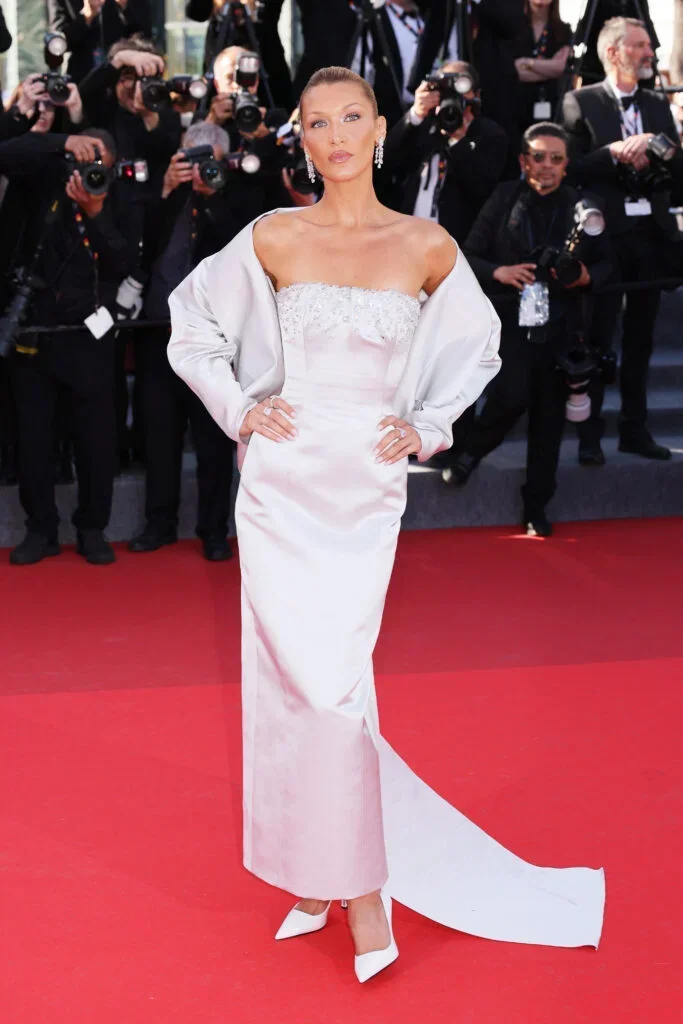
Bella Hadid in Custom Double Satin Prada Gown at the 2026 Cannes Film Festival
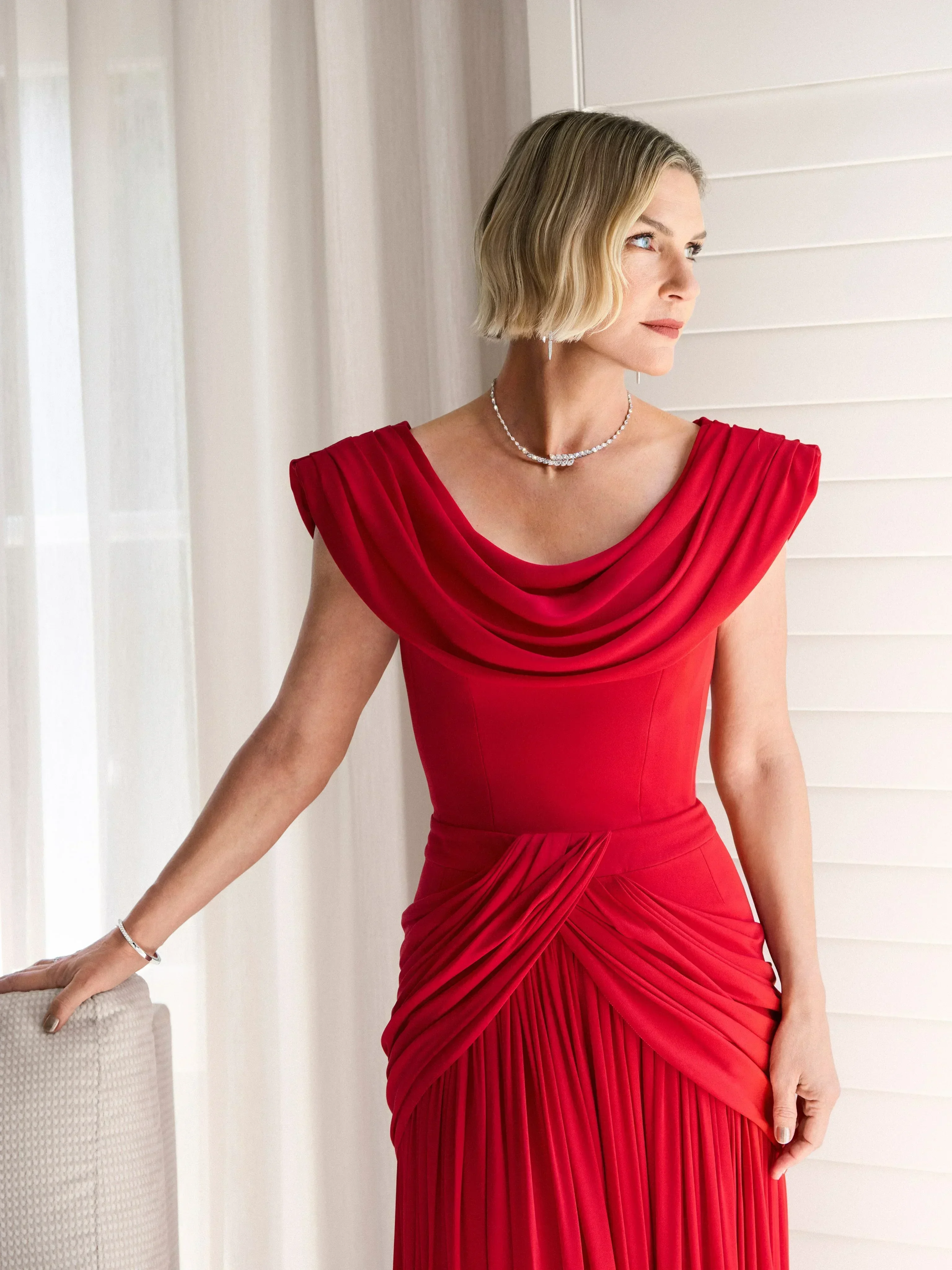
Rhea Seehorn Stuns in a Draped Red Louis Vuitton Gown at the 2026 Emmys
More Looks from Anya Taylor-Joy
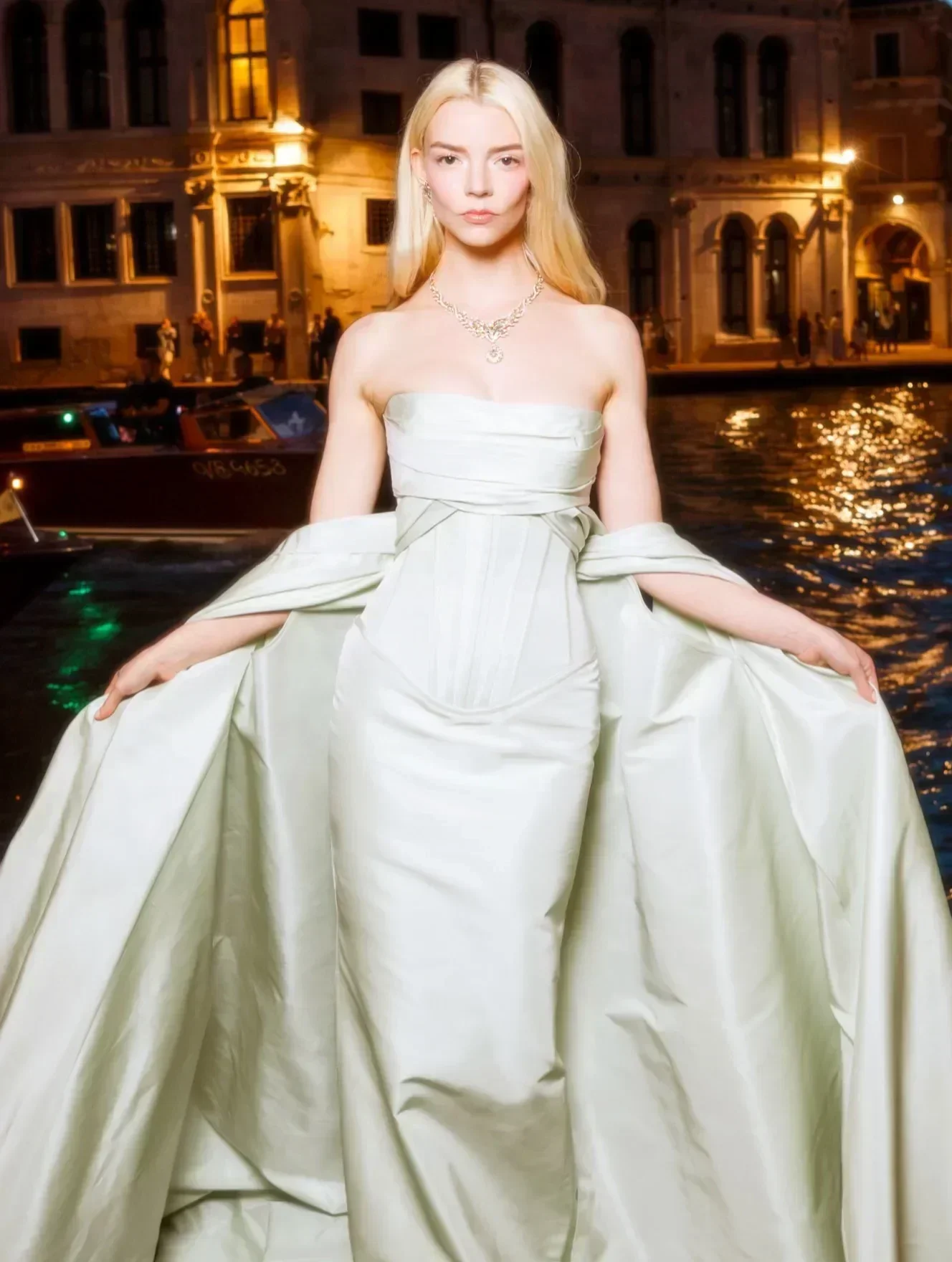
Anya Taylor-Joy’s Renaissance Romance: A Mint Zuhair Murad Gown Lets Tiffany High Jewelry Shine

Anya Taylor-Joy Goes Rugged in Utilitarian Survival Wear in Lucky Episode 5, “Are We Bad People?”

Anya Taylor-Joy Wears a White Slip Dress in Lucky Episode 4, “Too Close to See”
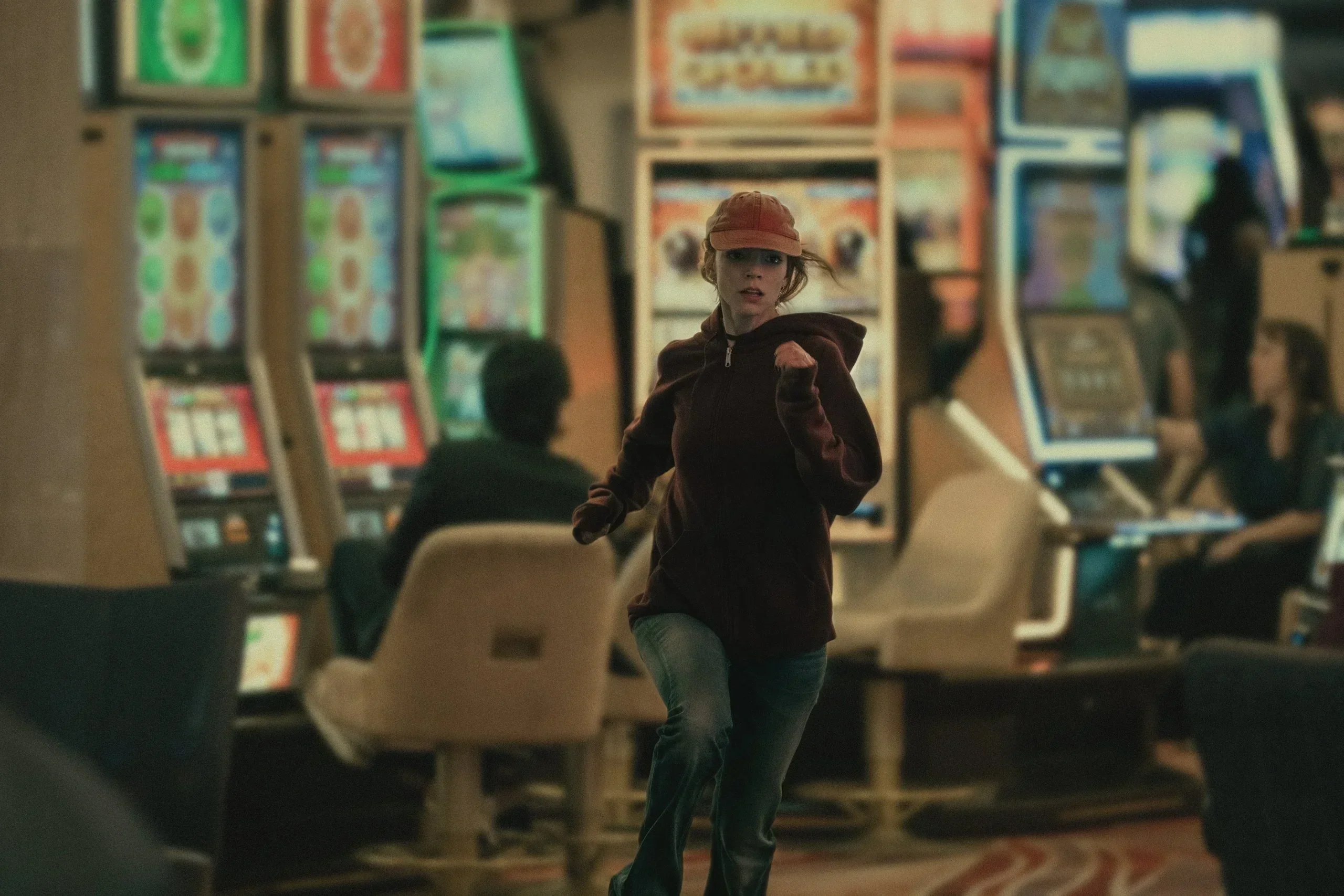
Anya Taylor-Joy Weaponizes Anti-Fashion Disguise in Lucky Episode 1, “No Shortcuts”

Anya Taylor-Joy Stuns in a Champagne-Hued Wiederhoeft Mini Dress at the Lucky Los Angeles After Party

Anya Taylor-Joy Embraces Old-World Cinematic Glamour in Butter-Yellow Dior for the Premiere of Lucky
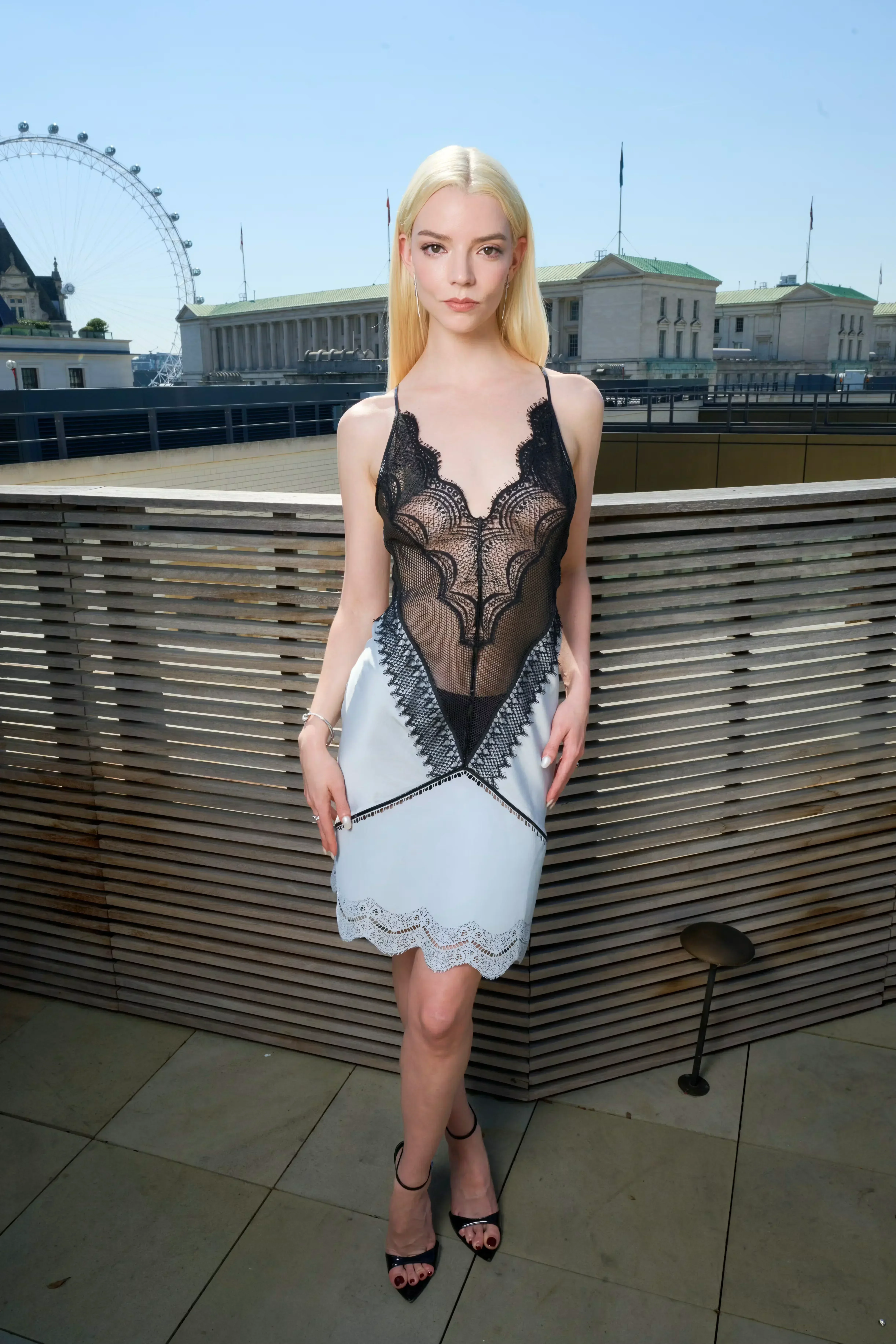
Anya Taylor-Joy Elevates Lingerie Dressing in Tom Ford at the Lucky London Photocall