Isabella Hart
Editor
Mar 15, 2026
There are actors who perform—and then there are actors who recalibrate the emotional gravity of a room simply by entering it. Jessie Buckley belongs firmly in the latter. In a landscape often crowded by the loudest voices, Buckley has engineered a career built on the architecture of presence: a rare, high-definition authenticity that moves beyond the traditional Hollywood filter.
Over the past decade, Buckley has quietly engineered one of the most intellectually rigorous filmographies of her generation. Moving between the grit of musical drama, the labyrinth of psychological character studies, and the high-stakes theater of prestige cinema, she has bypassed the traditional celebrity blueprint entirely. Each role feels less like a performance and more like a distinct psychological state: emotionally precise, aesthetically unpredictable, and viscerally human.
Now, with her turn in Chloé Zhao’s Hamnet, Buckley has entered a new phase of high-velocity visibility. While awards-season momentum has placed her squarely in the center of the Best Actress conversation, the digital fascination surrounding her extends far beyond the gold statue. What audiences are responding to is something more elusive: deliberate artistry in an era of surface-level digital speed.
A Different Kind of Breakout
Buckley’s rise has never followed the usual industry playbook. Born in Killarney, Ireland, she was immersed in a household of music and poetry before her formal training at the Royal Academy of Dramatic Art. That theatrical foundation still shapes her acting style today; she approaches characters with the rhythmic precision of a stage performer, immersing herself in psychology rather than relying on curated surface gestures.
“Buckley approaches characters with the emotional architecture of a stage performer—immersing herself in psychology, rhythm, and presence.”
It was during the 2008 BBC stage show I’d Do Anything that the public first caught a glimpse of this “sacred flame.” Performing the classic “The Man That Got Away,” she didn’t just sing; she signaled the arrival of a talent that refused to be categorized by the reality TV machine.
The Lore: 5 Performances That Defined a Generational Talent
Buckley’s career trajectory can be mapped through five pivotal shifts that recalibrated her standing in the cultural hierarchy:
1. Wild Rose (2018) — The Kinetic Breakthrough Playing Rose-Lynn Harlan, a Scottish country singer with Nashville dreams, Buckley delivered a performance that was raw, volatile, and electrifying. By performing her own vocals, she proved she was a multi-hyphenate with true emotional stamina.
2. I’m Thinking of Ending Things (2020) — The Surrealist Shift In Charlie Kaufman’s cerebral landscape, Buckley anchored a constantly shifting reality. It was a masterclass in intellectual endurance, proving she could lead the most demanding “A24-coded” narratives with ease.
3. The Lost Daughter (2021) — The Narrative Pivot Her first Oscar nomination arrived by exploring the unspoken contradictions of motherhood. Opposite Olivia Colman, Buckley delivered what critics called the “Quiet Luxury” of acting—a performance built on what was left unsaid.
4. Hamnet (2025/2026) — The Cultural Reset In Chloé Zhao’s adaptation, Buckley reframes Shakespearean mythology through the lens of maternal grief. Her Agnes Shakespeare is feral and nature-attuned, sparking a digital “Lore-core” movement that has redefined the period drama for a Gen Z audience.
5. The Bride! (2026) — The Modern Icon Her latest reunion with Maggie Gyllenhaal represents a strategic leap into genre-bending spectacle. It is the final piece of the puzzle, proving she can dominate the box office while maintaining her “art-school sleaze” edge.
The Buckley Effect: Why It Matters Now
What makes Buckley an anomaly in the 2026 landscape is her resistance to predictability. In an industry increasingly shaped by “Internet Boyfriend” tropes and carefully curated brand partnerships, Buckley gravitates toward roles that feel psychologically uncomfortable. Her characters are conflicted, searching, and occasionally volatile—qualities that translate into something electric on screen.

For a generation discovering her work through viral press-tour chemistry and streaming deep-dives, Buckley represents something radical: the persistence of craft. In a cultural moment obsessed with speed, the most powerful stars aren’t the loudest ones. They are the ones who change the emotional temperature of a story—one scene at a time.
Have a look you’d like to see featured on GlamCoCo?
Celebrities, stylists, artists, and brands can submit looks directly to our editorial team for consideration.
Featured Celebrities


Related Artists


Related Brands

Related Looks

Anne Hathaway in Phoebe Philo on the set of The Devil Wears Prada 2
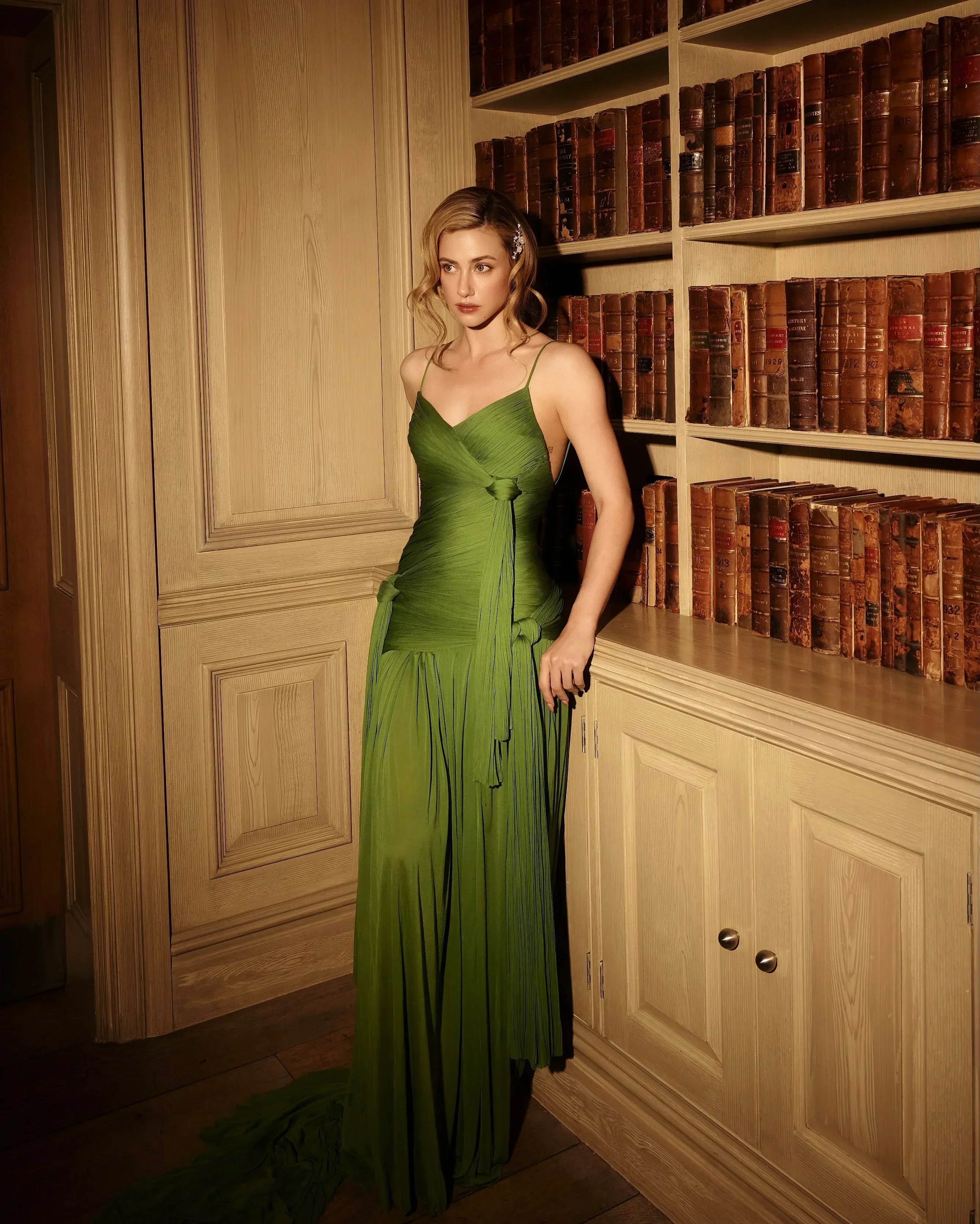
Lili Reinhart Channels Keira Knightley’s Emerald Atonement Gown for The Love Hypothesis

Zendaya and Robert Pattinson Bring Effortless Cool to 'The Drama' Press Tour

Inside Jessie Buckley's Oscars 2026 Glam: A Study in Modern Old Hollywood
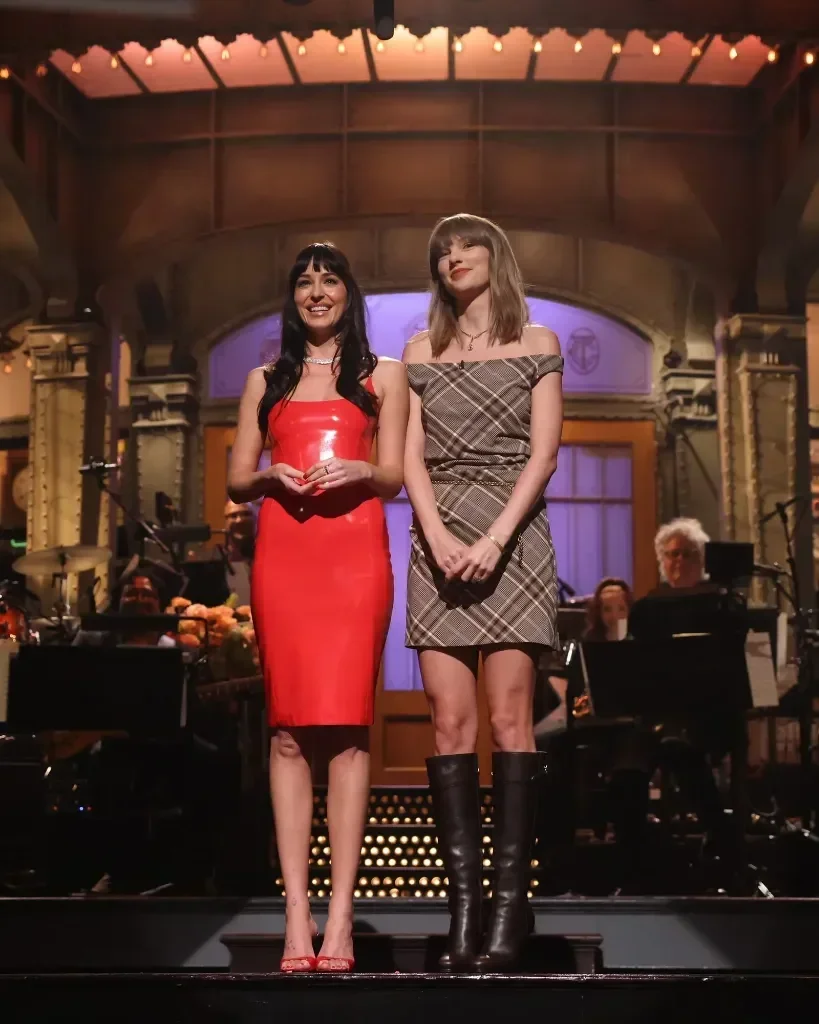
Taylor Swift in Plaid Simkhai and Burberry Boots for Surprise Saturday Night Live Appearance

Olivia Rodrigo in Custom Nina Ricci at Saturday Night Live 2026

Zendaya’s Ethereal Alexander McQueen Shift on Jimmy Kimmel Live!

Zendaya in Alexander McQueen at the Spider-Man: Brand New Day Fan Event in Amsterdam
Related Stories

The Meta-Erosion of the Muse: Why Charli xcx’s The Moment is the Final Death of the ‘Era’

The Devil Wears Prada 2: Why Andy Sachs’ Return Is the Cultural Pivot We Need in 2026

Songwriting Was the Easiest Thing She Ever Did: Taylor Swift’s Emotional Hall of Fame Moment That Reminds Us Why Her Story Endures
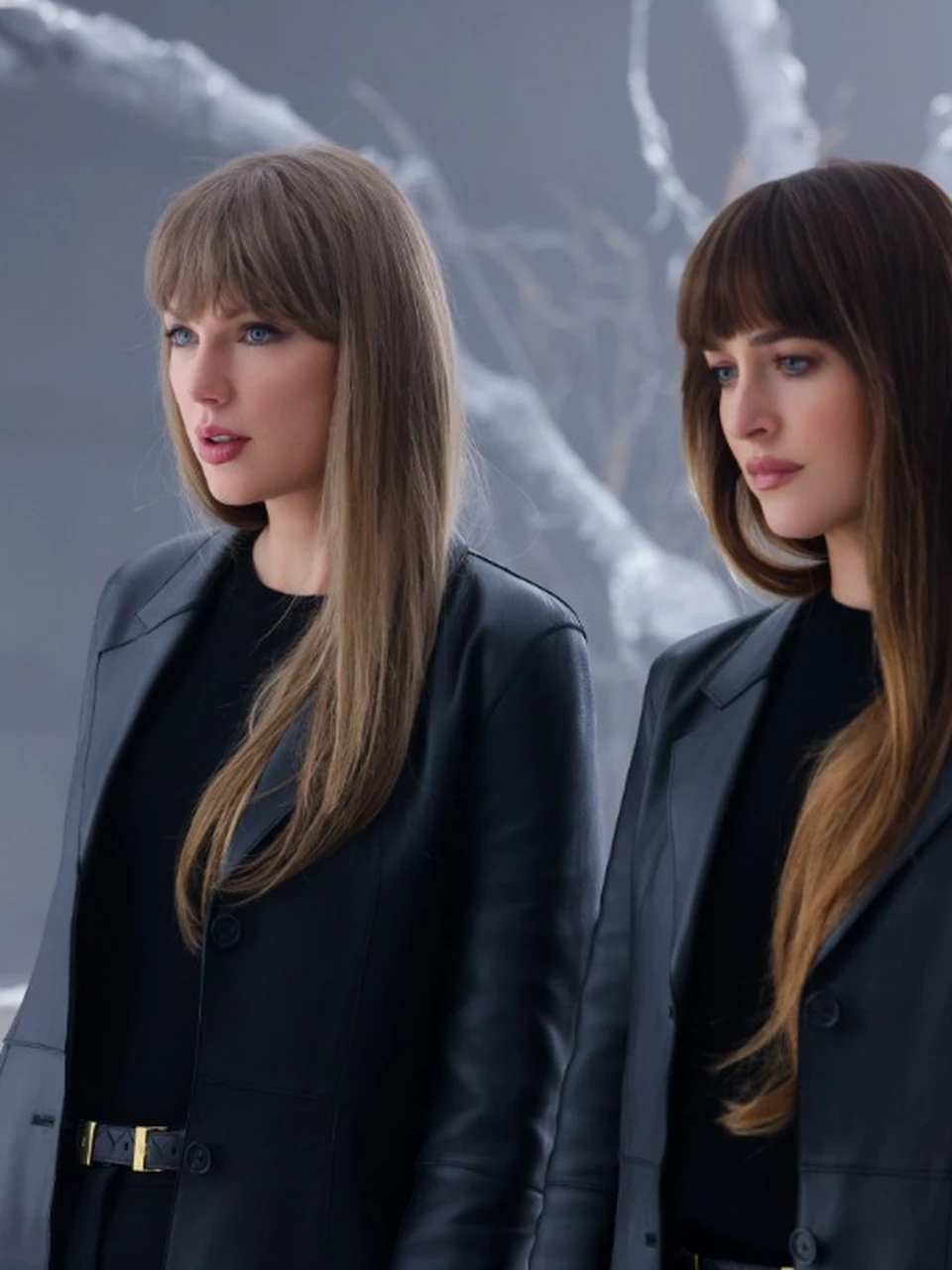
Taylor Swift’s Director Era: Inside the Music Videos She Wrote and Directed

“The Drama” Becomes A24’s Third-Biggest Opening Ever — And a Defining Moment for Auteur Pop Cinema

The Altar of Anxiety: Decoding the Visual Tension of A24’s The Drama
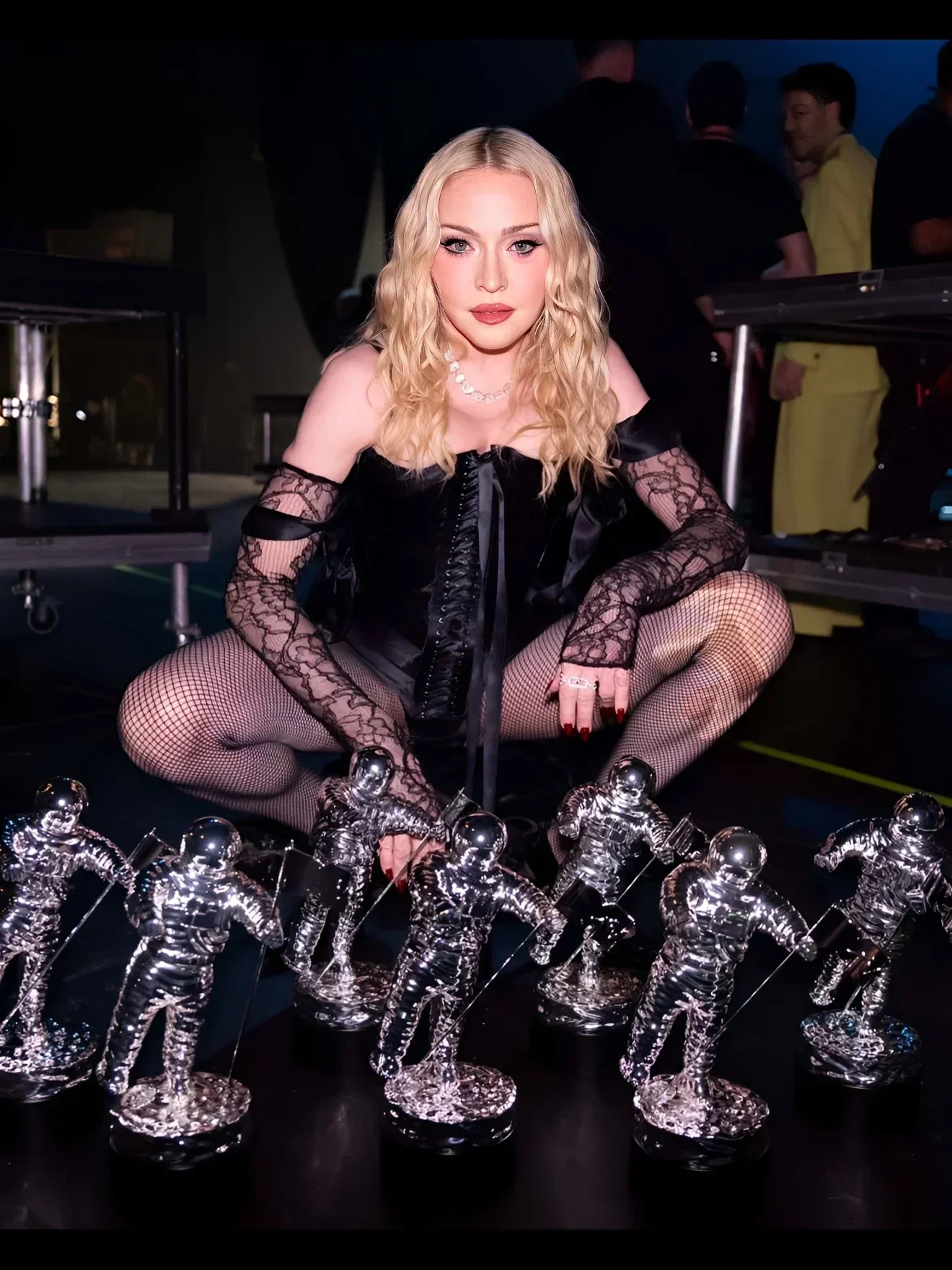
Madonna’s 2026 VMA Triumph: Seven Moon Persons and a Legacy No One Can Replicate